
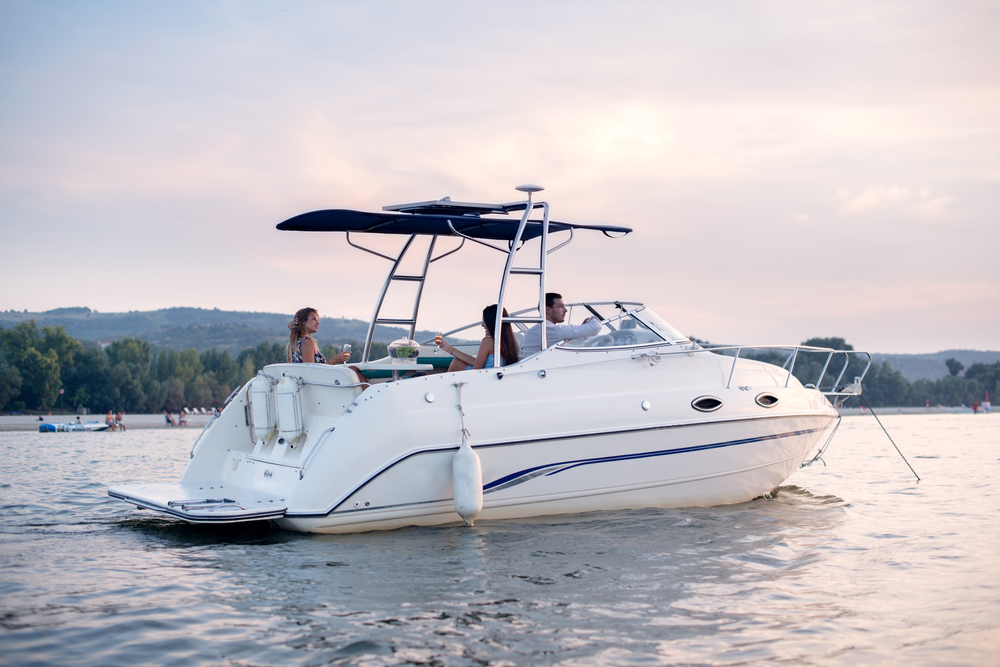
Buying a boat is a significant investment, so it’s natural to wonder, how long do boats last and how many years you can expect yours to stay in good condition. Whether you’re shopping for your first boat or already own one, understanding a boat’s lifespan can help you plan for maintenance, repairs, and future upgrades.
The truth is that there is no single answer. Some boats last only 20 years, while others remain in excellent condition for 40 years or more. A boat’s lifespan depends on factors such as the materials used, how often it is maintained, where it is stored, and how it is used.
In this guide, we’ll explain how long different types of boats typically last, what affects their lifespan, and how you can keep your boat in great condition for many years.
How Long Do Boats Last With Care & Maintenance?
With proper care and regular maintenance, many boats can last 20 to 40 years or even longer.
Some well-maintained fiberglass boats have remained on the water for more than 50 years. Aluminum boats can also last for decades, while wooden boats may have an even longer lifespan if they receive consistent care.
The key is not simply the age of the boat but how well it has been maintained over the years.
What Affects a Boat’s Lifespan?
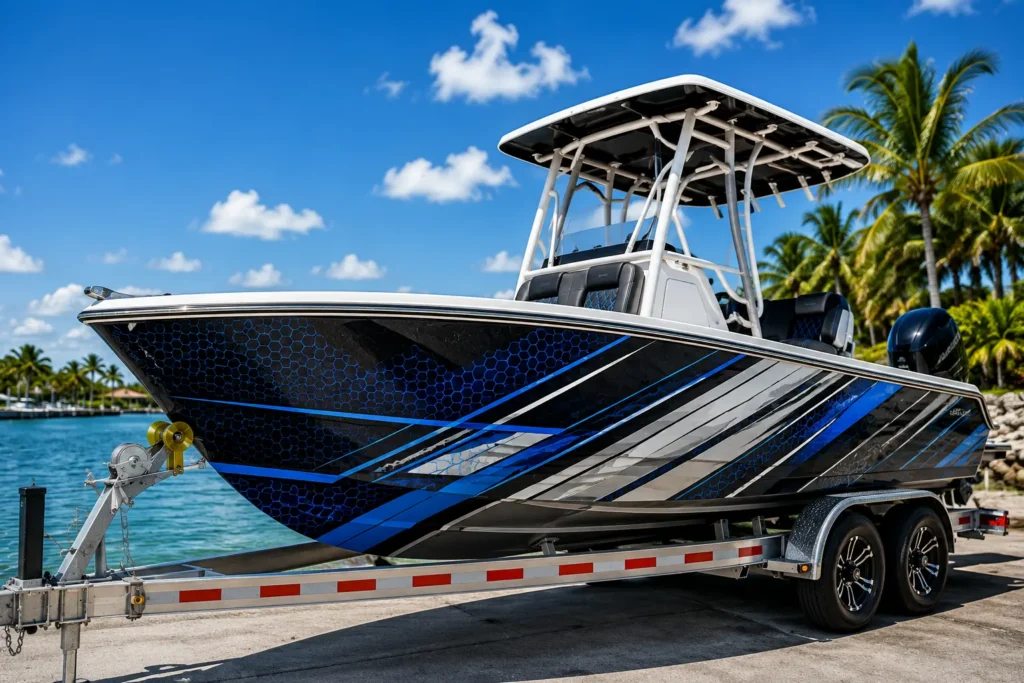
Several factors determine how long a boat will last.
Boat Material
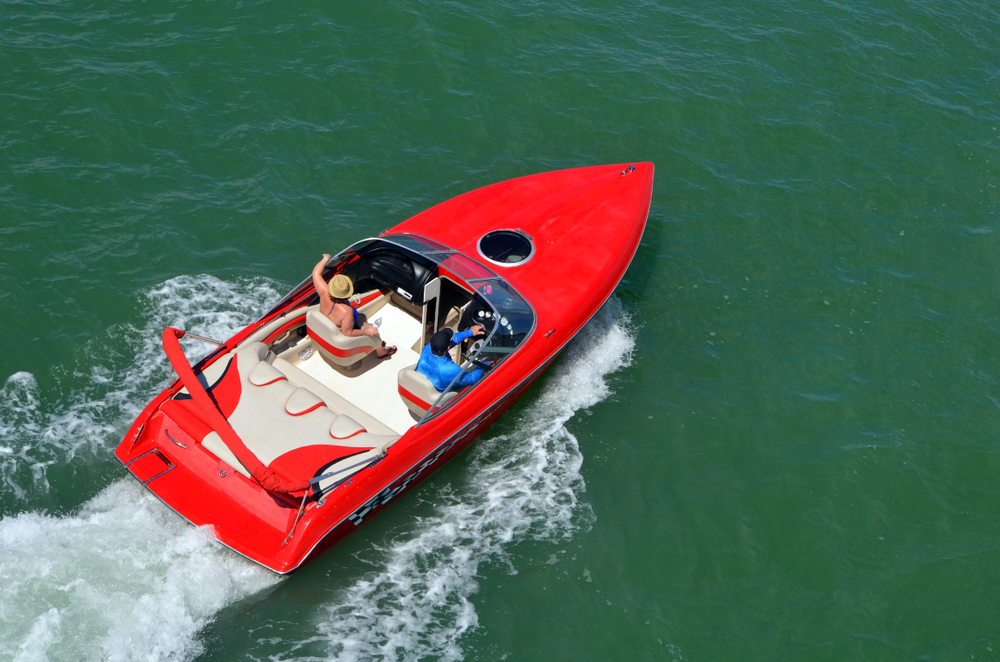
The material used to build the boat has a major impact on its durability.
Common materials include:
- Fiberglass
- Aluminum
- Wood
- Steel
Each has its own strengths, maintenance needs, and expected lifespan.
Maintenance
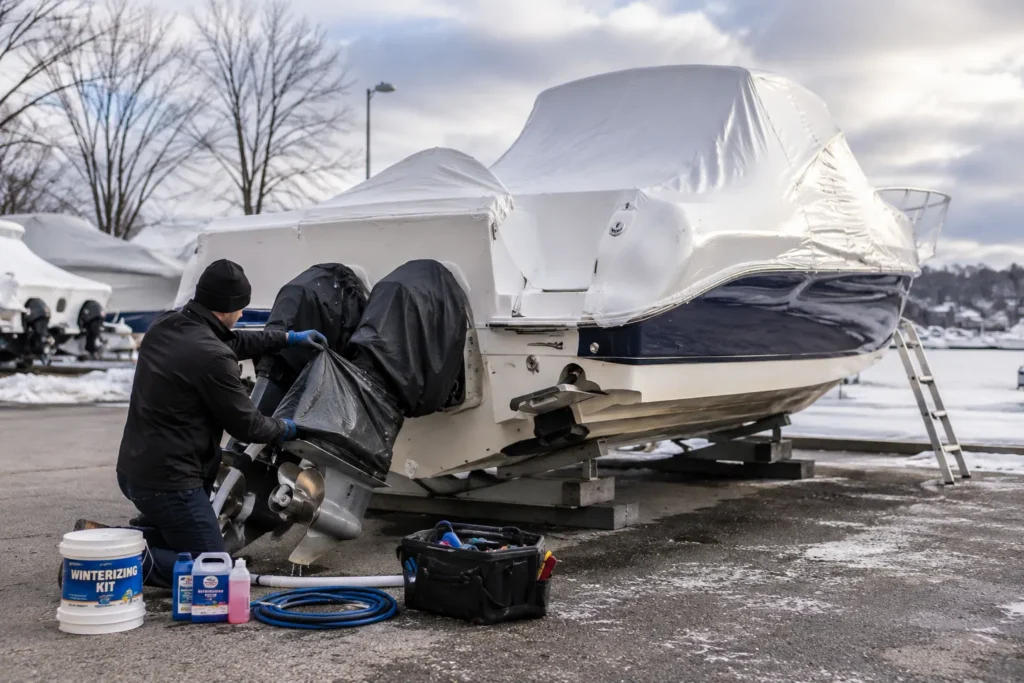
Routine maintenance is one of the most important factors.
Regular tasks such as cleaning, engine servicing, inspecting the hull, and repairing small issues early can significantly extend a boat’s life.
Storage
How you store your boat matters.
Boats kept under cover or in dry storage are generally better protected from sun exposure, rain, and harsh weather than boats left in the water year-round.
Water Conditions
Freshwater is generally less harsh on boats than saltwater.
Saltwater can speed up corrosion, damage metal components, and increase maintenance requirements.
Frequency of Use
Using your boat regularly is not necessarily harmful.
In fact, boats that sit unused for long periods may develop engine problems, battery issues, or moisture-related damage.
The goal is regular use combined with proper maintenance.
How Long Do Fiberglass Boats Last?
Fiberglass is one of the most common materials used in modern recreational boats.
A well-maintained fiberglass boat can often last 30 to 50 years or more.
Fiberglass does not rust and is resistant to many environmental conditions. However, it still requires routine care to prevent issues such as:
- Gelcoat damage
- Osmotic blistering
- Cracks
- Water intrusion
Keeping the hull clean and repairing damage promptly helps extend its lifespan.
Also Read: How To Paint A Fiberglass Boat?
How Long Do Aluminum Boats Last?
Aluminum boats are known for being lightweight and durable.
Many aluminum boats last 30 years or longer with proper maintenance.
To maximize their lifespan:
- Rinse the boat after saltwater use.
- Inspect for corrosion.
- Repair dents promptly.
- Store the boat properly.
How Long Do Wooden Boats Last?
Wooden boats require more maintenance than fiberglass or aluminum boats. However, with expert care, they can last for several decades and sometimes even generations.
Owners must regularly inspect for:
- Rot
- Water damage
- Loose fasteners
- Paint deterioration
Proper storage is especially important for wooden boats.
How Long Do Boat Engines Last?
The engine is one of the most important parts of any boat. Its lifespan depends on the type of engine, maintenance schedule, and operating conditions.
Many modern marine engines can last:
- 1,500 to 3,000 hours or more with proper maintenance
Routine oil changes, cooling system checks, and regular servicing can significantly increase engine life.
Signs Your Boat Is Aging
As boats get older, certain signs may indicate it’s time for repairs or upgrades.
Watch for:
- Cracks in the hull
- Soft spots on the deck
- Water leaks
- Corrosion
- Engine performance issues
- Electrical problems
- Faded gelcoat or paint
- Loose fittings
Addressing these issues early often prevents more expensive repairs later.
Can an Old Boat Still Be Reliable?
Yes.
Age alone does not determine whether a boat is reliable.
A well-maintained 25-year-old boat may be in much better condition than a poorly maintained 10-year-old boat.
When evaluating an older boat, consider:
- Service records
- Overall condition
- Engine maintenance
- Hull integrity
- Signs of previous repairs
A professional marine survey can provide valuable information before purchasing an older vessel.
How to Make Your Boat Last Longer
Taking care of your boat consistently is the best way to maximize its lifespan.
Clean It Regularly
Wash your boat after every trip, especially after boating in saltwater.
Removing salt, dirt, and debris helps prevent long-term damage.
Perform Routine Maintenance
Follow the manufacturer’s recommended maintenance schedule.
Regular servicing helps identify problems before they become serious.
Protect the Hull
Inspect the hull regularly for scratches, cracks, or other damage.
Repairing small issues early helps prevent water intrusion.
Store It Properly
Whenever possible:
- Use a boat cover.
- Store indoors or under shelter.
- Keep the boat dry.
- Lift the boat out of the water during long storage periods.
Protect Against UV Damage
Sun exposure can damage seats, dashboards, and fiberglass surfaces.
Using protective covers and marine-safe UV protectants helps preserve the boat’s appearance.
Service the Engine
Regular engine maintenance includes:
- Changing oil
- Replacing filters
- Inspecting belts
- Checking cooling systems
- Inspecting fuel lines
Keeping the engine in good condition reduces the risk of breakdowns.
How Often Should You Inspect Your Boat?
Regular inspections help catch problems early.
A quick inspection before every trip should include checking:
- Engine
- Fuel level
- Battery
- Bilge pump
- Steering
- Lights
- Safety equipment
A more detailed inspection several times each year is also recommended.
Does Saltwater Shorten a Boat’s Life?
Saltwater itself does not automatically shorten a boat’s lifespan, but it does increase maintenance needs.
Salt can:
- Cause corrosion
- Damage metal parts
- Affect electrical systems
- Leave mineral deposits
Rinsing your boat thoroughly with fresh water after every saltwater trip helps reduce these risks.
Does Boat Size Affect Lifespan?
Not necessarily.
Large and small boats can both last for decades if properly maintained.
The quality of construction and regular care are much more important than size.
Is It Worth Repairing an Older Boat?
Often, yes.
If the hull remains structurally sound and repairs are reasonably priced, restoring an older boat can be more affordable than buying a new one.
However, major structural damage or repeated engine failures may make replacement the better option.
A marine mechanic or surveyor can help you evaluate repair costs.
Common Mistakes That Shorten a Boat’s Life
Many boat owners unknowingly reduce the lifespan of their boats.
Avoid these common mistakes:
- Skipping routine maintenance
- Ignoring small repairs
- Leaving the boat uncovered
- Failing to rinse after saltwater use
- Using the wrong cleaning products
- Letting the battery remain discharged
- Overloading the boat
- Running the engine without proper servicing
Simple preventive care often saves money over time.
Should You Buy a Used Boat?
Buying a used boat can be an excellent option if it has been well maintained.
Before purchasing:
- Inspect the hull.
- Test the engine.
- Review maintenance records.
- Check for signs of water damage.
- Consider a professional marine survey.
A careful inspection can help you avoid unexpected repair costs.
Frequently Asked Questions
Can a boat last 50 years?
Yes. Many fiberglass, aluminum, and wooden boats have remained in service for 50 years or more with excellent maintenance.
What type of boat lasts the longest?
There is no single answer, but well-maintained fiberglass, aluminum, and wooden boats can all have long lifespans.
Does using a boat frequently wear it out faster?
Not necessarily. Regular use combined with proper maintenance is often better than letting a boat sit unused for long periods.
How often should I service my boat?
Follow the manufacturer’s maintenance schedule, but most boats benefit from regular inspections and annual servicing.
Can saltwater damage a fiberglass boat?
Fiberglass itself resists corrosion, but saltwater can affect metal fittings, engines, and other components if they are not properly maintained.
Is it normal for older boats to need repairs?
Yes. As boats age, replacing worn parts and performing repairs becomes part of regular ownership.
Does storing a boat indoors help?
Yes. Indoor storage helps protect the boat from weather, UV exposure, and moisture, extending its lifespan.
Should I repair or replace my aging boat?
If the hull is structurally sound and repair costs are reasonable, repairing the boat is often a worthwhile investment.
Conclusion
A well-built boat can provide decades of enjoyment when it is properly maintained. While most boats last between 20 and 40 years, many continue performing well beyond that with regular cleaning, routine servicing, proper storage, and timely repairs.
Whether you own a fiberglass fishing boat, an aluminum utility boat, or a classic wooden vessel, taking care of your investment is the key to extending its lifespan. By staying on top of maintenance and addressing small problems before they grow, you can enjoy safe, reliable boating for many years to come.