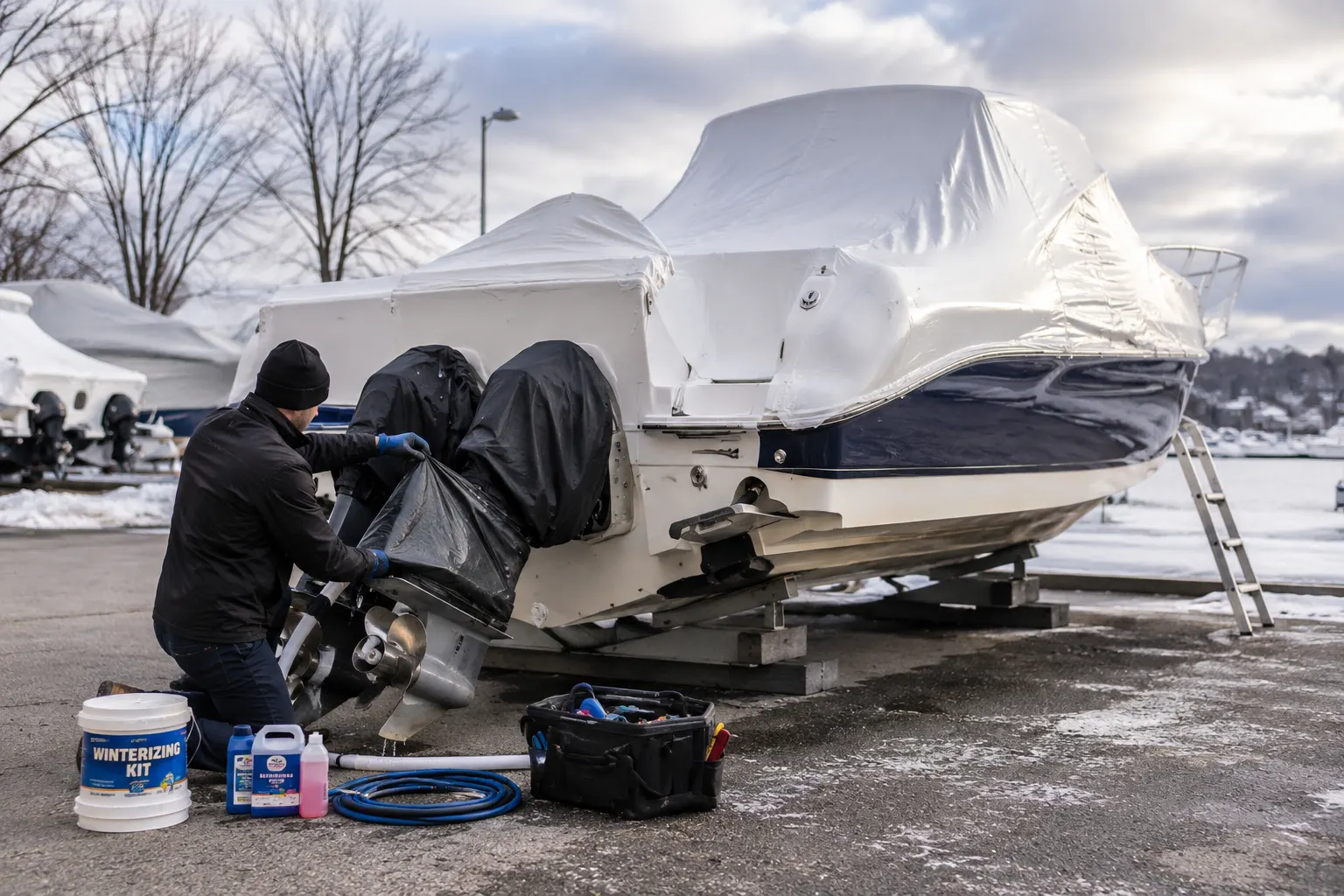
Boats are built to handle water, weather, and long days of use, but like any vehicle or machine, they need regular care. Even the best-maintained boat can develop problems over time. Saltwater, sunlight, rough waves, moisture, and normal wear can all damage different parts of a boat. Knowing what to look for and how to fix small problems can save money, improve safety, and help your boat last much longer.
Learning about Common Boat Repair problems is useful whether you own a fishing boat, pontoon boat, sailboat, speedboat, or small recreational boat. Many minor issues can be repaired with basic tools and some patience, while larger repairs should be left to experienced marine professionals.
This guide explains the most common boat repair problems, what causes them, how to fix them, and how to prevent them from happening again.
Why Boat Repairs Are Important
A boat spends its life in one of the toughest environments possible. Water constantly attacks metal, wood, fiberglass, and electrical parts. If small problems are ignored, they often become expensive repairs later.
Regular boat maintenance and quick repairs help:
- Keep everyone on board safe
- Prevent costly damage
- Improve fuel efficiency
- Extend the life of the boat
- Protect the engine and other systems
- Maintain the boat’s value
Checking your boat before and after every trip helps you catch problems early.
Signs Your Boat Needs Repairs
Some boat problems are easy to notice, while others develop slowly.
Watch for signs such as:
- Cracks in the fiberglass
- Water collecting inside the boat
- Engine that struggles to start
- Unusual noises
- Steering that feels stiff
- Excessive vibration
- Rust or corrosion
- Electrical equipment not working
- Peeling paint
- Soft spots on the deck
- Fuel smells
- Loose fittings
Ignoring these warning signs can lead to much bigger problems.
Hull Cracks and Fiberglass Damage
The hull is the main body of the boat. It protects everything inside and keeps water out. Rocks, docks, floating debris, and accidental impacts can damage the hull.
Common Causes
- Hitting underwater objects
- Dock collisions
- Rough waves
- Aging fiberglass
- Poor maintenance
How to Fix It
Small surface scratches can often be repaired with a fiberglass repair kit.
The repair usually includes:
- Cleaning the damaged area
- Sanding around the crack
- Applying fiberglass cloth if needed
- Using marine resin
- Allowing it to cure
- Sanding smooth
- Applying gelcoat
Large cracks or structural damage should always be repaired by a professional.
Gelcoat Chips and Scratches
The gelcoat is the smooth outer layer that protects fiberglass boats.
Over time, the surface may develop:
- Chips
- Small cracks
- Faded spots
- Surface scratches
Repair Process
Clean the damaged area first.
Light scratches can often be polished out with marine rubbing compound.
Deeper damage may require:
- Filling the chip with gelcoat repair paste
- Sanding smooth
- Buffing the repaired area
- Waxing for protection
Water Leaks
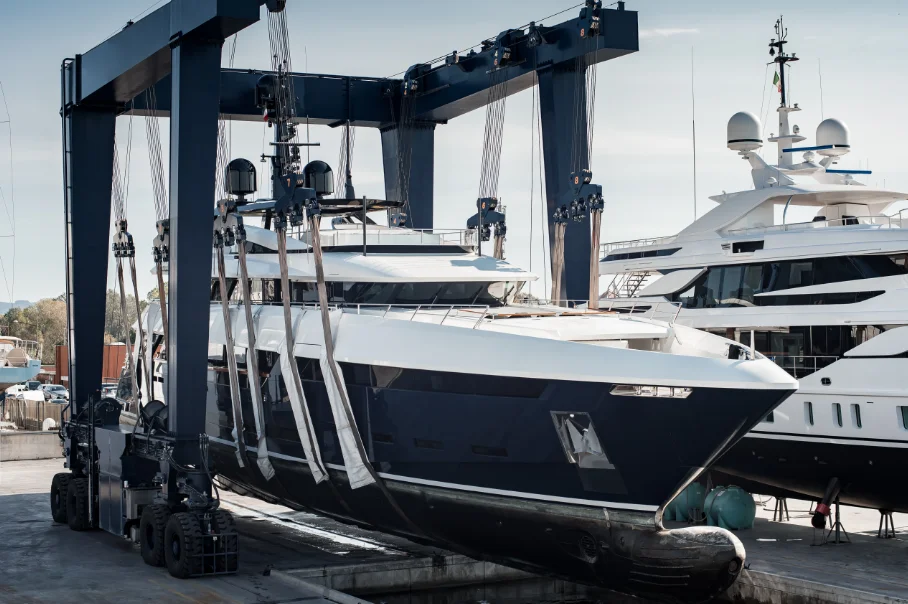
Leaks are one of the most common boat problems.
Water may enter through:
- Loose fittings
- Damaged seals
- Windows
- Hatches
- Through hull fittings
- Drain plugs
How to Find Leaks
Inspect the boat carefully after every trip.
Look for:
- Wet storage compartments
- Standing water
- Water stains
- Mold
- Damp carpet
Fixing Water Leaks
Many leaks can be repaired by replacing old marine sealant around fittings.
Damaged rubber seals should be replaced immediately.
If the leak comes from the hull itself, inspect for cracks and repair them before using the boat again.
Engine Starting Problems
Nothing is more frustrating than an engine that refuses to start.
Possible Causes
- Dead battery
- Dirty spark plugs
- Fuel problems
- Bad starter motor
- Loose wiring
- Clogged fuel filter
Basic Troubleshooting
Start by checking the battery.
Make sure:
- Battery terminals are clean
- Battery is fully charged
- Fuel tank has fresh fuel
- Fuel lines are connected
- Safety lanyard is attached
- Spark plugs are clean
If the engine still will not start, have it inspected by a marine mechanic.
Battery Problems
Boat batteries work hard, especially if electronics, lights, fish finders, and trolling motors are used often.
Common Issues
- Battery loses charge quickly
- Corroded terminals
- Loose connections
- Old battery
- Overcharging
Repair and Maintenance
Clean battery terminals with a battery cleaning brush.
Apply marine battery terminal grease to reduce corrosion.
Replace batteries that no longer hold a charge.
Always disconnect the battery before working on electrical systems.
Corroded Metal Parts
Saltwater is one of the biggest enemies of any boat.
Corrosion often appears on:
- Propellers
- Steering systems
- Trailer parts
- Hinges
- Engine components
- Electrical connections
Fixing Corrosion
Light corrosion can be removed with a wire brush.
After cleaning:
- Apply marine corrosion protection spray.
- Replace badly rusted hardware.
- Rinse the boat with fresh water after every saltwater trip.
Using sacrificial anodes also helps protect underwater metal parts.
Steering Problems
Your steering system should always feel smooth.
If steering becomes difficult, do not ignore it.
Common Causes
- Dry steering cable
- Corrosion
- Damaged hydraulic system
- Bent steering components
Repairs
Lubricate steering cables regularly.
Inspect hydraulic steering systems for leaks.
Replace worn cables before they fail.
If steering suddenly becomes difficult during operation, stop using the boat until repairs are completed.
Propeller Damage
The propeller transfers engine power into movement.
Even small dents can reduce performance.
Signs of Propeller Damage
- Vibration
- Reduced speed
- Poor fuel economy
- Difficulty getting on plane
Repair Options
Small bends may be repaired by a propeller repair shop.
Severely damaged propellers should be replaced.
Also inspect the propeller shaft for hidden damage.
Fuel System Problems
Old fuel creates many engine issues.
Water contamination is also common.
Common Symptoms
- Engine stalls
- Rough idle
- Poor acceleration
- Hard starting
Repairs
Replace clogged fuel filters.
Drain old fuel if it has been sitting for several months.
Inspect fuel lines for cracks.
Always use clean, fresh fuel recommended by the manufacturer.
Bilge Pump Failure
The bilge pump removes water from inside the boat.
If it fails, water can build up quickly.
Causes
- Dead battery
- Blown fuse
- Clogged pump
- Broken float switch
- Damaged wiring
Repair Steps
Test the pump regularly.
Remove dirt and debris.
Replace faulty float switches.
Install a backup pump if you often boat in rough conditions.
Electrical System Issues
Modern boats have many electrical systems.
Problems may affect:
- Lights
- GPS
- Fish finders
- Radios
- Navigation equipment
- Bilge pumps
Common Repairs
Check fuses first.
Inspect wiring for corrosion.
Replace damaged connectors.
Keep electrical connections dry and protected.
Marine grade wiring should always be used.
Trailer Problems
Boat trailers also require maintenance.
Common Issues
- Flat tires
- Rust
- Broken lights
- Bad wheel bearings
- Worn winch straps
Repairs
Inspect trailer tires before every trip.
Grease wheel bearings regularly.
Replace broken lights.
Wash trailers thoroughly after saltwater use.
Soft Deck Areas
A soft deck often means moisture has entered the wooden core beneath the fiberglass.
Causes
- Water leaks
- Poor sealing
- Long term moisture
Repair
Repairing soft decks usually involves:
- Removing damaged fiberglass
- Replacing wet wood
- Installing new fiberglass
- Applying fresh gelcoat
Large repairs are often best handled by experienced boat repair specialists.
Damaged Upholstery
Boat seats are exposed to sun, rain, and moisture.
Over time they may:
- Crack
- Fade
- Tear
- Develop mold
Repairs
Small tears can be repaired using marine vinyl repair kits.
Replace damaged foam if it becomes waterlogged.
Use protective covers when the boat is not being used.
Anchor and Windlass Problems
Anchoring equipment experiences heavy loads.
Common issues include:
- Jammed windlass
- Rust
- Broken switches
- Worn anchor rope
Inspect moving parts regularly.
Lubricate gears and replace worn rope before failure occurs.
Broken Cleats and Hardware
Cleats, hinges, rails, and handles receive constant stress.
Loose hardware can become dangerous.
Repair
Remove damaged hardware.
Fill old mounting holes if necessary.
Install new marine grade stainless steel hardware using waterproof sealant.
Livewell Problems
Fishing boats often include livewells.
Problems include:
- Pump failure
- Water leaks
- Clogged drains
Clean livewell systems often.
Replace worn pumps and damaged hoses.
Navigation Light Failures
Navigation lights are required for safe boating at night.
If lights stop working:
- Check bulbs.
- Inspect wiring.
- Replace blown fuses.
- Clean corroded sockets.
Always test lights before leaving the dock.
Paint and Bottom Coating Damage
Bottom paint protects boats from algae, barnacles, and marine growth.
Over time it wears away.
Repairs
Pressure wash the hull.
Remove loose paint.
Apply fresh marine primer if needed.
Finish with new antifouling bottom paint.
Window and Hatch Problems
Boat windows and hatches can leak or become difficult to open.
Repairs
Replace worn rubber seals.
Tighten loose hinges.
Apply fresh marine sealant around frames.
Replace cracked acrylic windows.
Winch and Rope Wear
Winches and ropes experience constant stress.
Look for:
- Frayed rope
- Rust
- Loose bolts
- Worn gears
Lubricate moving parts and replace damaged rope before it breaks.
Mold and Mildew
Moisture creates perfect conditions for mold.
Prevention
- Improve ventilation.
- Keep the boat dry.
- Clean regularly.
- Store cushions indoors if possible.
- Use moisture absorbers during storage.
Clean mold using marine safe cleaners.
Common Boat Repair Tools Every Owner Should Have
A basic repair kit should include:
- Screwdrivers
- Socket set
- Adjustable wrench
- Marine sealant
- Fiberglass repair kit
- Sandpaper
- Wire brush
- Spare fuses
- Electrical tape
- Battery tester
- Marine grease
- Flashlight
- Utility knife
- Zip ties
- Spare hose clamps
- Cleaning cloths
Having these tools on board can help you handle minor repairs while away from shore.
Preventive Maintenance Tips
The best repair is the one you never need.
Follow these maintenance habits:
- Wash your boat after every trip.
- Flush the engine after saltwater use.
- Check engine oil regularly.
- Inspect hoses.
- Test batteries.
- Examine the propeller.
- Lubricate moving parts.
- Check safety equipment.
- Keep the bilge clean.
- Cover the boat when stored.
- Inspect the trailer.
- Repair small problems immediately.
Regular inspections reduce expensive repairs.
When to Call a Professional
Some repairs require special knowledge and equipment.
Professional help is recommended for:
- Structural hull damage
- Engine rebuilding
- Major electrical work
- Fuel system repairs
- Hydraulic steering repairs
- Transom damage
- Large fiberglass repairs
Trying to repair these problems without proper experience may create safety risks.
If you’re in Key West or nearby and your boat needs professional attention, Robbie’s Key West is ready to help. From routine maintenance to unexpected repairs, their experienced team can get you back on the water quickly, safely, and with confidence.
Boat Repair Safety Tips
Always put safety first when working on your boat.
Remember to:
- Disconnect the battery before electrical work.
- Work in a well ventilated area.
- Wear safety glasses.
- Use gloves when handling chemicals.
- Keep a fire extinguisher nearby.
- Follow product instructions carefully.
- Never test repairs on open water without checking everything first.
Safe repairs help protect both you and your passengers.
Frequently Asked Questions
How often should a boat be professionally inspected?
Most boats should have a professional inspection at least once a year. Boats that are used frequently or in saltwater may benefit from more frequent inspections.
Can I repair my boat without previous experience?
Yes, many small repairs like replacing sealant, changing fuses, or fixing minor scratches can be done by beginners. More complex repairs should be handled by a marine technician.
What is the average lifespan of a fiberglass boat?
A well-maintained fiberglass boat can last 30 years or more. Regular maintenance and proper storage can significantly extend its lifespan.
Does boat insurance cover repair costs?
It depends on your insurance policy and the cause of the damage. Accidental damage is often covered, while normal wear and maintenance are usually not.
What should I do if my boat takes on water while I’m on the water?
Stay calm, use the bilge pump if available, locate the source of the leak if it is safe to do so, wear life jackets, and head to the nearest safe location or call for assistance if needed.
Is it better to repair or replace old boat parts?
If a part is severely worn, damaged, or no longer reliable, replacement is usually the better long-term option. Minor wear can often be repaired if the part is still structurally sound.
How should I store my boat to reduce repair needs?
Store your boat in a covered, dry location whenever possible. Use a quality boat cover, remove standing water, disconnect the battery, and winterize the engine if required.
Can freshwater boats develop the same repair issues as saltwater boats?
Yes, although saltwater causes faster corrosion, freshwater boats can still experience engine problems, electrical issues, hull damage, leaks, and wear from regular use.
What records should I keep for boat maintenance and repairs?
Keep receipts, service records, repair dates, warranty information, and notes about maintenance. A detailed maintenance log can improve resale value and help track recurring issues.
How can I tell if a used boat has hidden repair problems?
Inspect the hull, engine, wiring, transom, deck, upholstery, and trailer carefully. Ask for maintenance records and consider hiring a marine surveyor before purchasing the boat.
Conclusion
Understanding Common Boat Repair problems helps every boat owner keep their vessel safe, reliable, and ready for the water. Small issues like loose fittings, worn seals, dead batteries, and damaged propellers are much easier and less expensive to fix when found early. Regular inspections, proper cleaning, and routine maintenance can prevent many of the repairs that boat owners face each year.
While many simple repairs can be completed at home with the right tools, major structural, engine, fuel, or electrical problems should always be handled by qualified marine professionals. Taking care of your boat today means more enjoyable trips, fewer unexpected breakdowns, and a longer life for your investment.
Whether you use your boat for fishing, family outings, water sports, or weekend adventures, staying ahead of maintenance will help you spend more time on the water and less time dealing with costly repairs.