
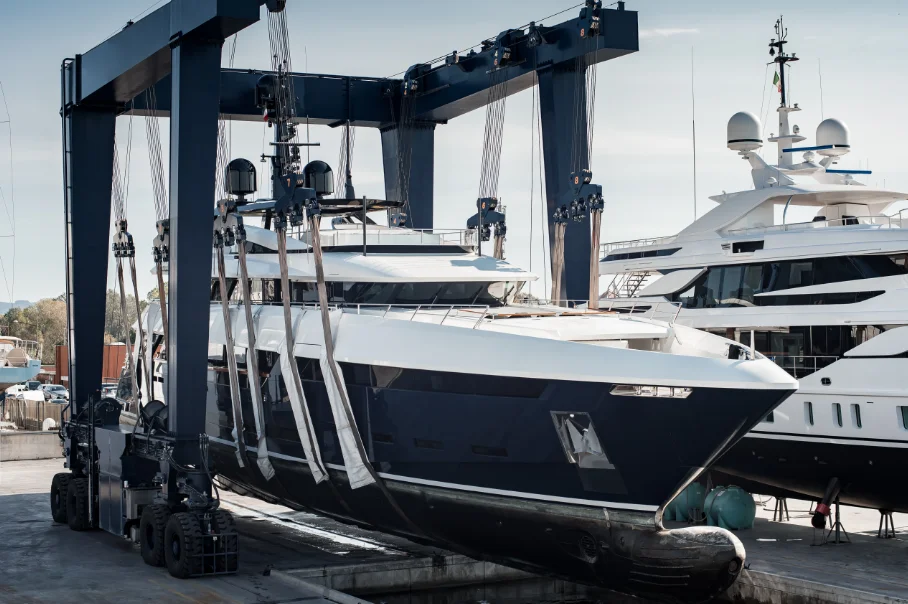
Owning a boat is an incredible experience, offering opportunities to explore waterways, relax, and make lasting memories. However, boat ownership comes with responsibilities, and one of the biggest is figuring out the best storage option. Proper storage not only keeps your boat in good condition but also ensures it’s ready to go when you need it.
Whether you’re preparing for the offseason or need a solution for the times you’re not on the water, there are several storage options to consider. In this guide, we’ll explore all the boat storage options in detail, helping you choose the best solution for your boat and lifestyle.
What Is Boat Storage?
Boat storage refers to the methods and facilities used to keep boats safe and secure when they’re not in use. Just like cars have garages or parking lots, boats require proper storage to protect them from weather, pests, theft, and general wear and tear. Whether it’s for a few days, months, or an entire offseason, having a reliable storage solution ensures your boat stays in good condition and is ready whenever you want to hit the water.
Why Is Proper Boat Storage Important?
Boats are significant investments, and storing them improperly can lead to costly damage. Here are some reasons why boat storage is so important:
- Protects Against Weather Damage: Rain, snow, UV rays, and extreme temperatures can cause wear and tear to your boat’s exterior, interior, and engine.
- Prevents Corrosion: Exposure to water and humidity can cause parts of your boat, such as the hull or motor, to corrode over time.
- Keeps Pests Away: Rodents and insects can cause significant damage to your boat if it’s left unattended and improperly covered.
- Increases Longevity: Proper storage ensures your boat remains in good condition for years to come.
- Maintains Value: If you plan to resell your boat in the future, regular maintenance and proper storage will help retain its value.
Types of Boat Storage Available
Boat owners have a variety of storage options to choose from based on their budget, convenience, and level of protection required. Below are the main types of boat storage available –
1. Outdoor Boat Storage
Outdoor storage is one of the most common options for boat owners. It’s budget-friendly and accessible, making it a go-to solution for many. However, outdoor storage requires extra precautions to protect your boat from the elements.
Types of Outdoor Storage
- At Home (Driveway or Backyard): If you have enough space at home, storing your boat in your driveway or backyard is a convenient and cost-effective option. Just ensure your local regulations allow it, as some neighborhoods have restrictions on boat parking.
- Boat Yard or Marina Lot: Many marinas and boatyards offer open-air storage spots. These spaces are specifically designed for boats and may even include added services like security or winterization.
- Covered Outdoor Storage: A step up from open-air storage, this option includes a roof or canopy to protect your boat from rain and sun. It’s a great compromise if you’re looking for protection without the high cost of indoor storage.
Pros of Outdoor Storage
- Affordable and widely available.
- Convenient for boat owners with trailers.
- Easy access to your boat when needed.
Cons of Outdoor Storage
- Exposes your boat to weather damage if not covered.
- Security may be an issue unless stored in a fenced or monitored location.
- Maintenance may be required more frequently due to exposure.
Pro Tip: Always use a durable boat cover to shield your boat from rain, sun, and debris when storing it outdoors. Look for covers that are water-resistant and UV-protected.
2. Indoor Boat Storage
Indoor storage provides the highest level of protection for your boat. It’s especially popular during the offseason when your boat isn’t in use for an extended period. While it’s more expensive than outdoor storage, the benefits of indoor storage often outweigh the costs.
Types of Indoor Storage
- Garages or Sheds: Smaller boats can often be stored in a personal garage or shed. This is an economical and secure option for those with the space.
- Storage Units: Many self-storage facilities offer units large enough to accommodate boats. These spaces are typically climate-controlled, ensuring your boat is safe from extreme temperatures and humidity.
- Dry Stack Storage: Dry stack facilities store boats on racks inside a large warehouse. This is a highly efficient use of space and provides excellent protection against weather and theft. Staff typically handle moving your boat in and out of the racks, making it a hassle-free option.
Pros of Indoor Storage
- Maximum protection from weather, pests, and vandalism.
- Climate-controlled options prevent damage from extreme temperatures and humidity.
- Great for long-term storage.
Cons of Indoor Storage
- Higher cost compared to outdoor options.
- Limited availability in some areas.
- Access may require advanced notice, especially at dry stack facilities.
3. On-Water Storage
For those who use their boats frequently, on-water storage is the most convenient option. This type of storage allows you to keep your boat in the water, ready to go at a moment’s notice. However, it requires regular maintenance and comes with unique challenges.
Types of On-Water Storage
- Marina Slips: Renting a slip at a marina provides a designated spot for your boat. Many marinas offer additional amenities, such as fueling stations, maintenance services, and security.
- Mooring Buoys: Boats can also be stored on mooring buoys, which are anchored in a harbor or marina. While less expensive than a marina slip, mooring typically offers fewer conveniences.
Pros of On-Water Storage
- Perfect for frequent boaters who want quick access to the water.
- Convenient for larger boats that are difficult to trailer.
- Some marinas offer on-site maintenance and cleaning services.
Cons of On-Water Storage
- Exposes your boat to constant water contact, which can lead to hull damage or algae growth.
- More expensive than other storage options.
- Requires regular maintenance to ensure your boat remains in good condition.
Pro Tip: Use a hull cleaning service regularly to prevent algae and barnacle buildup when storing your boat on the water.
4. Trailer Storage
If your boat is trailerable, storing it on its trailer can be a flexible and cost-effective solution. Trailers make it easy to transport your boat and allow you to store it in various locations.
Where to Store a Trailered Boat
- At Home: If you have space in your driveway, garage, or backyard, this is a convenient and free option.
- Storage Facilities: Many facilities offer outdoor or indoor parking for trailers. These spaces are often secure and accessible.
- Boat Ramps or Clubs: Some boat ramps and clubs provide parking areas specifically for trailers, allowing easy access to the water.
Pros of Trailer Storage
- Budget-friendly and convenient for transportation.
- Flexible storage locations (home, storage facilities, or boat ramps).
- Easy access for quick trips to the water.
Cons of Trailer Storage
- Requires a proper towing vehicle.
- May not be suitable for larger boats.
- Outdoor trailer storage still requires a cover to protect the boat.
5. Professional Boat Storage Facilities
Professional storage facilities are designed specifically for boats and cater to all sizes and types. These facilities often offer added services like cleaning, maintenance, and winterization, making them a one-stop shop for boat owners.
Types of Professional Storage
- Indoor Storage: Fully enclosed and often climate-controlled, offering maximum protection.
- Outdoor Storage: Covered or uncovered spaces for more budget-friendly options.
Pros of Professional Storage
- Designed to accommodate all boat sizes.
- Includes extra services like maintenance and winterization.
- Often staffed with professionals who can assist with any issues.
Cons of Professional Storage
- Higher costs than other options.
- May not be located near your home or preferred waterway.
What to Consider When Choosing a Boat Storage Option
When deciding on the best storage solution for your boat, keep the following factors in mind:
- Budget: Consider how much you’re willing to spend. Outdoor storage is usually the cheapest, while indoor and professional facilities are more expensive.
- Boat Size: Larger boats may require more specialized storage solutions.
- Accessibility: Choose a storage option that’s convenient for your lifestyle. If you plan to use your boat frequently, on-water storage or a nearby marina may be ideal.
- Weather: If you live in an area with harsh winters or intense summers, indoor storage or climate-controlled options are worth the investment.
- Security: Ensure your storage option includes adequate security measures to prevent theft or vandalism.
FAQs
1. Why is proper boat storage important?
Proper boat storage protects your boat from damage caused by weather, pests, and moisture. It also helps maintain the boat’s value, functionality, and longevity, ensuring it’s always ready for use.
2. What are the most common types of boat storage?
The most common types include:
- Outdoor Storage: Driveways, backyards, boatyards, or covered outdoor spaces.
- Indoor Storage: Garages, storage units, or dry stack storage facilities.
- On-Water Storage: Marina slips or mooring buoys.
- Trailer Storage: Storing your boat on its trailer at home or in a facility.
- Professional Facilities: Specialized storage locations offering services like maintenance and cleaning.
3. How much does boat storage cost?
Costs vary depending on the type of storage:
- Outdoor storage: $50–$200/month (depending on location and whether it’s covered).
- Indoor storage: $100–$500/month for storage units or dry stack facilities.
- On-water storage: $300–$1,000/month for marina slips or mooring buoys.
Costs depend on factors like location, size of the boat, and additional services provided.
4. How do I prepare my boat for storage?
To prepare your boat for storage:
- Clean the boat inside and out to prevent mold and mildew.
- Drain water from the hull, bilge, and plumbing systems.
- Add a fuel stabilizer and top off the fuel tank.
- Disconnect the battery or place it on a maintenance charger.
- Cover the boat with a high-quality, weather-resistant cover.
5. Can I store my boat outside all year round?
Yes, but outdoor storage requires additional precautions. You’ll need a durable, weatherproof cover to protect the boat from rain, sun, snow, and debris. In areas with harsh winters, winterizing your boat is essential to prevent freezing damage.
6. What is dry stack storage, and is it a good option?
Dry stack storage involves storing boats in a warehouse on racks, stacked vertically. It’s a great option for smaller to mid-sized boats, offering excellent protection from weather and theft. However, it can be pricier and may require scheduling access to your boat.
7. What’s the best storage option for a large boat?
Large boats are best stored in:
- On-water storage: Marina slips or moorings for convenient access.
- Professional facilities: Indoor or outdoor storage designed for large vessels.
8. How do I choose the right storage option for my boat?
Consider these factors:
- Budget: Outdoor storage is more affordable; indoor and professional options cost more.
- Location: Choose a storage option near your home or waterway for convenience.
- Protection Needs: Indoor storage offers maximum protection; outdoor options require a good cover.
- Boat Size: Larger boats may need marina slips or professional facilities.
9. Can I store my boat on its trailer?
Yes, storing your boat on its trailer is a flexible and cost-effective solution. You can park it in your driveway, garage, or a storage facility. Just make sure the trailer is in good condition and the boat is properly covered.
10. What is winterization, and do I need it?
Winterization involves preparing your boat for cold weather by draining water systems, stabilizing fuel, and protecting the engine. It’s essential if you’re storing your boat in areas with freezing temperatures to prevent damage.
11. Are there any neighborhood restrictions for boat storage?
Some neighborhoods or homeowners’ associations (HOAs) have rules about parking boats in driveways or yards. Check your local regulations or HOA guidelines before storing your boat at home.
12. How do I prevent theft or vandalism in storage?
To improve security:
- Choose a storage facility with fences, cameras, and staff.
- Use locks on trailers, hatches, and engines.
- Invest in a GPS tracking device for your boat.
13. Is climate-controlled storage necessary?
Climate-controlled storage is ideal for protecting your boat from extreme temperatures and humidity, which can damage electronics, upholstery, and wood. It’s highly recommended for long-term or offseason storage.
14. Can I live on my boat while it’s stored?
Living on your boat is typically only allowed at marinas with designated liveaboard slips. You’ll need to check with the marina or storage facility for their policies.
15. What are the benefits of professional boat storage facilities?
Professional facilities offer specialized services, such as:
- Maintenance and cleaning.
- Winterization and preparation for the boating season.
- Advanced security measures.
- Flexible options for boats of all sizes.
16. How often should I check on my stored boat?
It’s a good idea to check on your boat every few weeks, especially for long-term storage. This ensures everything is in good condition and allows you to address any potential issues, such as leaks or pests, early.
Conclusion
Boat storage is a key part of responsible boat ownership, and the right choice depends on your budget, location, and how often you use your vessel. From outdoor and indoor storage to on-water options and full-service facilities, each has its own advantages. The most important factor is ensuring your boat stays protected and easily accessible.
If you’re traveling through the Florida Keys or nearby, consider stopping by Robbie’s of Key West for reliable boat maintenance and services to keep your vessel in top condition. With the right storage and proper care, your boat will always be ready for your next adventure on the water.