

A blown boat engine can lead to expensive repairs or the need for a complete engine replacement. Does Boat Insurance Cover a Blown Engine? The answer depends on what caused the engine to fail and what the policy includes.
In most cases, standard boat insurance does not cover engine failure caused by normal wear and tear, mechanical breakdown, or lack of maintenance. However, the policy may cover engine damage resulting from a covered accident or another insured event. Some insurers also offer optional mechanical breakdown coverage for certain engine components.
Understanding the difference between accidental damage and mechanical failure can help boat owners understand their policy and the claims process.
Key Takeaways
- Boat insurance may cover a blown engine if the damage results from a covered accident, collision, fire, or another insured event.
- Standard boat insurance generally does not cover engine failure caused by normal wear and tear or internal mechanical breakdown.
- Poor maintenance, overheating, corrosion, and improper winterization may lead to excluded claims, depending on the cause and policy terms.
- Optional mechanical breakdown coverage may protect certain engine components, but coverage varies by insurer.
- Boat owners should review their policy exclusions, deductibles, coverage limits, and maintenance requirements before filing a claim.
What Is a Blown Boat Engine?
A blown engine is a general term used when an engine suffers serious internal damage and can no longer operate properly. Depending on the extent of the damage, the engine may need major repairs or complete replacement.
Several problems can cause a boat engine to fail, including:
- Overheating
- Low engine oil or loss of oil pressure
- Internal component failure
- Water entering the engine
- Damage caused by a collision
- Corrosion
- Improper maintenance
- Incorrect winterization in cold climates
The cause matters because insurance policies often treat accidental damage differently from mechanical breakdown and gradual deterioration.
Does Boat Insurance Cover a Blown Engine?
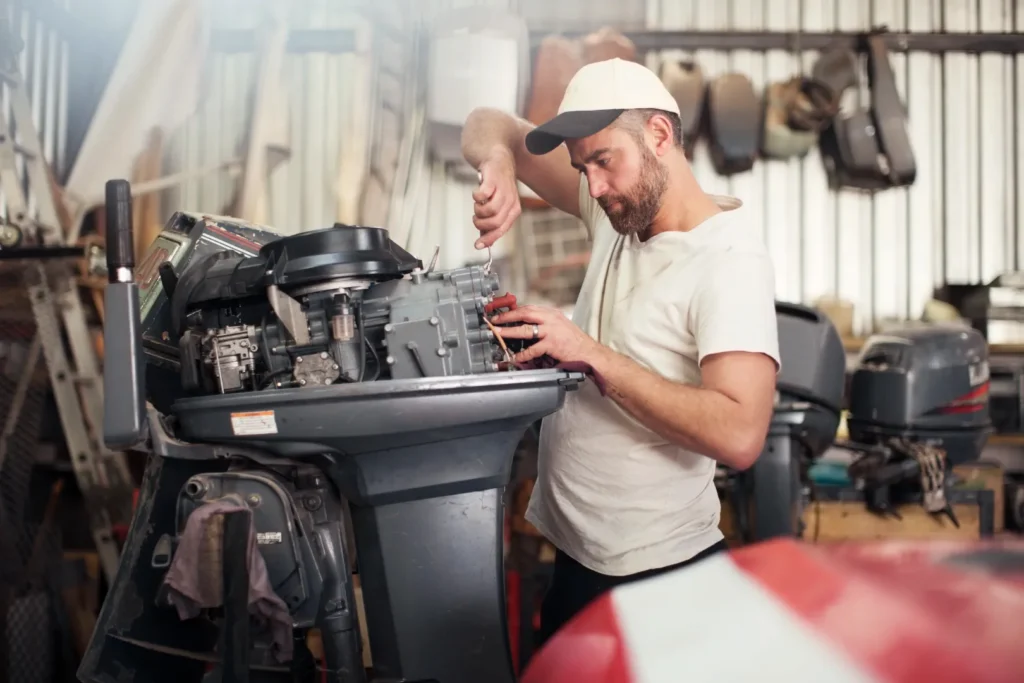
Boat insurance may cover a blown engine when the damage results from a sudden event included in the policy. Coverage is not automatic, even if the engine stops working unexpectedly.
For example, if a collision with another boat or a submerged object damages the engine, collision coverage may help pay for eligible repairs. If a covered fire or another insured event damages the engine, the policy may also provide coverage.
The insurer will review the circumstances, policy wording, exclusions, deductible, and available coverage limits before deciding whether to pay the claim.
If the engine fails because of an internal mechanical problem unrelated to a covered event, a standard policy generally will not pay for the repair or replacement.
When Boat Insurance May Cover Engine Damage
1. Collision With Another Boat or Object
A collision may damage the engine, lower unit, propeller, or other components. If the incident falls within the policy’s collision coverage, the insurer may cover eligible repairs.
For example, striking an underwater object could cause sudden physical damage to the engine or drive system. The final decision depends on the policy terms and the evidence establishing the cause of the damage.
2. Damage From a Covered Storm or Weather Event
Some boat insurance policies cover damage caused by specified weather events. If a covered storm causes physical damage to the engine or boat, the policy may respond.
Coverage depends on the type of event, the policy’s exclusions, and the circumstances of the loss. Not every weather-related engine problem is covered.
3. Fire or Vandalism
If a covered fire damages the engine, comprehensive or other applicable physical damage coverage may pay for eligible repairs. Similarly, vandalism that damages an insured boat or its engine may be covered under the relevant policy provisions.
The policyholder may need to provide evidence of the incident, repair estimates, photographs, and other requested documents.
4. Sudden Damage During a Covered Accident
An engine may suffer damage during another covered accident. In these cases, the insurer examines whether the engine damage was directly caused by the insured event or resulted from a separate mechanical problem.
The distinction is important because a policy may cover the resulting accidental damage while excluding the original mechanical defect.
When Boat Insurance Usually Does Not Cover a Blown Engine
1. Normal Wear and Tear
Boat engines contain parts that deteriorate through regular use. Bearings, seals, gaskets, and other components may wear out over time.
Standard boat insurance generally does not cover repairs needed because of ordinary wear and tear. An engine reaching the end of its useful life is not usually considered an insured accident.
2. Mechanical Breakdown
Mechanical breakdown occurs when a component fails because of an internal mechanical or electrical problem rather than a covered external event.
For example, an internal engine component may break while the boat is operating normally. If the failure is not linked to a covered event, standard insurance generally will not pay for the resulting engine repairs.
Some policies offer optional mechanical breakdown coverage, but the covered components and conditions vary. Certain plans may cover only specific parts of an outboard motor or sterndrive rather than the engine’s internal components.
3. Lack of Maintenance
Boat owners are generally expected to follow the manufacturer’s maintenance requirements. Failure to change oil, maintain the cooling system, inspect components, or perform other required service can contribute to engine damage.
If the insurer determines that neglect or inadequate maintenance caused the failure, the claim may be excluded under the policy.
Maintenance records can help establish what service was performed and when.
4. Overheating From an Unmaintained System
Overheating can cause serious engine damage. However, whether insurance covers it depends on the underlying cause.
If overheating results from a maintenance problem or an internal mechanical failure, the resulting damage is generally excluded under standard policies. If it results from a separate covered accident, coverage may be possible depending on the contract.
The fact that the engine overheated suddenly does not, by itself, establish that the damage is covered.
5. Improper Winterization or Corrosion
In cold climates, water left inside an engine or cooling system can freeze and expand, potentially cracking engine components. Damage associated with improper winterization may be excluded.
Gradual corrosion and deterioration are also commonly excluded. The exact treatment depends on the policy wording and the cause of the damage.
What Is Mechanical Breakdown Coverage?
Mechanical breakdown coverage is an optional form of protection offered by some boat insurers. It may cover certain mechanical failures that a standard boat policy excludes.
However, it is important to check exactly what the coverage includes. For example, an endorsement may cover specified outboard lower-unit or sterndrive components without covering the engine’s internal parts.
Eligibility may also depend on the boat’s age, engine type, maintenance history, deductible, waiting period, and other policy conditions. A mechanical breakdown endorsement should not be assumed to cover every type of engine failure.
Boat owners should review the covered parts, exclusions, and effective date before relying on this protection.
How Does an Insurance Company Investigate a Blown Engine Claim?
When an engine fails, the insurer may investigate how and why the damage occurred. The process can involve several steps:
- Reviewing the incident: The insurer gathers information about when the engine failed and what happened beforehand.
- Inspecting the engine: An adjuster or marine mechanic may examine the damaged components.
- Reviewing maintenance records: Service receipts, oil-change records, and repair history may help establish the engine’s condition.
- Determining the cause: The insurer evaluates whether the damage resulted from a covered event, mechanical breakdown, wear and tear, or another excluded cause.
- Applying the policy terms: The insurer reviews exclusions, limits, deductibles, and applicable endorsements before making a coverage decision.
Boat owners should report the incident according to their policy requirements and keep photographs, repair estimates, invoices, and relevant maintenance records. They should also ask the insurer before authorizing major repairs, unless immediate action is needed to prevent further damage or protect safety.
What Should You Check in Your Boat Insurance Policy?

Before assuming a blown engine will be covered, review the policy’s physical damage provisions and exclusions. Pay particular attention to:
- Collision coverage: Whether it applies to engine damage caused by an impact.
- Comprehensive coverage: Which non-collision events are insured.
- Mechanical breakdown exclusions: Whether internal failures and worn components are excluded.
- Optional endorsements: Whether any additional coverage applies to specified engine parts.
- Deductible: The amount you must pay toward a covered claim.
- Coverage limits: The maximum amount payable under the relevant coverage.
- Maintenance requirements: Any conditions relating to servicing or preventing damage.
- Claims procedures: Reporting deadlines and documentation requirements.
The phrase “full coverage” does not guarantee that every engine problem is insured. The actual policy contract determines what is covered.
Frequently Asked Questions
1. Does boat insurance cover the cost of replacing a blown engine?
Boat insurance may cover engine replacement if the damage results from a covered event. If the engine fails because of wear and tear or an internal mechanical problem, standard coverage generally does not pay for replacement.
2. Does boat insurance cover an engine that overheats?
Coverage depends on what caused the overheating. Damage resulting from a covered accident may qualify, while overheating caused by poor maintenance or mechanical failure is generally excluded under standard policies.
3. Will boat insurance pay for a seized engine?
A seized engine is not automatically covered. The insurer will investigate whether the seizure resulted from a covered accident or an excluded cause, such as insufficient lubrication or internal component failure.
4. Does boat insurance cover water entering the engine?
It may cover water-related engine damage if the water entered because of a covered event. However, coverage may be excluded when the damage results from improper maintenance, neglect, or an excluded water-ingestion event.
5. Does boat insurance cover a broken outboard motor?
Boat insurance may cover an outboard motor damaged in a covered collision, fire, or other insured event. Mechanical failure without a covered cause is generally not included in standard coverage.
6. Can I get boat insurance that covers mechanical breakdowns?
Some insurers offer optional mechanical breakdown coverage. The policy may cover specified engine or drive components, subject to eligibility requirements, exclusions, deductibles, and coverage limits.
7. Does boat insurance cover engine damage caused by running aground?
If running aground causes sudden physical damage and the incident falls within the policy’s coverage, repairs may be covered. The insurer will review the circumstances and applicable exclusions.
8. Will filing a claim for a blown engine increase my boat insurance premium?
A claim may affect future premiums, but the outcome depends on the insurer, the policy, the claim history, and the circumstances of the loss. A covered claim does not automatically result in a premium increase.
9. What documents are needed to file a boat engine insurance claim?
An insurer may request photographs of the damage, maintenance records, repair estimates, service invoices, incident details, engine information, and inspection reports. Requirements vary by insurer and claim type.
10. What should I do if my boat engine fails while I am on the water?
Prioritize safety and follow appropriate emergency procedures. Stop the engine if it is safe to do so, check for immediate hazards, and request assistance if necessary. Avoid repeatedly restarting a damaged engine, document the incident when safe, and contact your insurer for instructions before authorizing major repairs.
Conclusion
Boat insurance can cover a blown engine when the damage results from a covered accident or another insured event. However, standard policies generally exclude engine failure caused by normal wear and tear, internal mechanical breakdown, lack of maintenance, or gradual deterioration.
Optional mechanical breakdown coverage may provide additional protection for specific components, but its scope varies by insurer and policy.
The most reliable way to determine whether a particular engine failure is covered is to review the policy wording and establish the cause of the damage. The final coverage decision rests on the terms of the contract and the facts of the incident.