Choosing the right motor for your boat is a big decision. It affects how your boat moves, how much maintenance it needs, and how much you’ll spend in the long run. If you love fishing, watersports, or just cruising, the motor you pick can really shape your time on the water.
There are two main types of boat motors: inboard and outboard. Inboard motors are built inside the boat, giving it a clean look and solid performance. Outboard motors are mounted on the back, making them easier to maintain and replace. Both have their pros and cons, so the best choice depends on how you plan to use your boat.
In this guide, we’ll go over the key differences between inboard vs outboard motor, the good and the bad of each type, and help you figure out which one is the right fit for you.
Understanding Inboard Motors
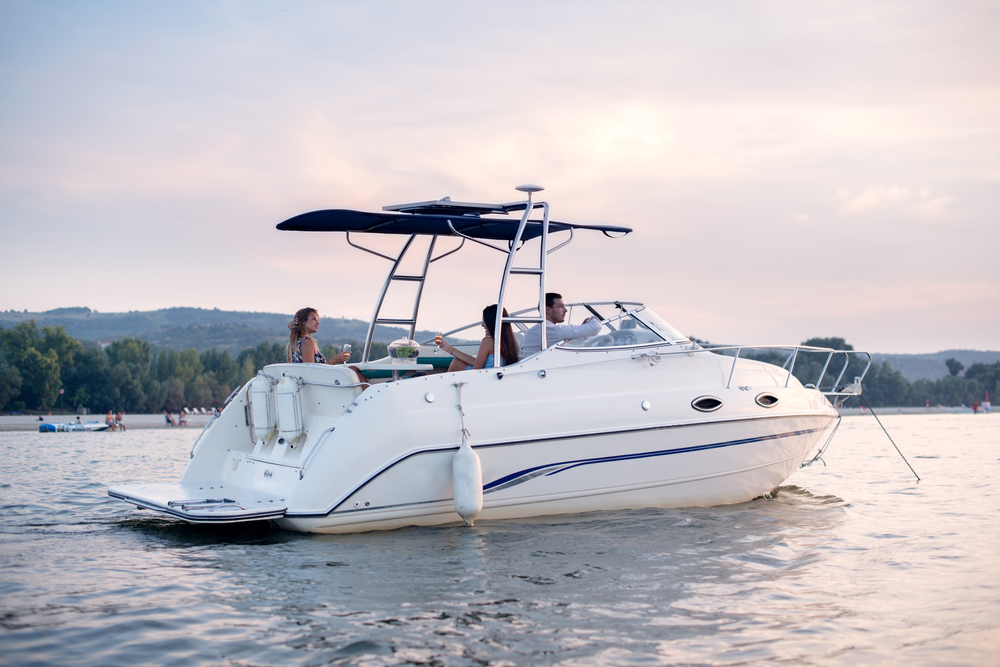
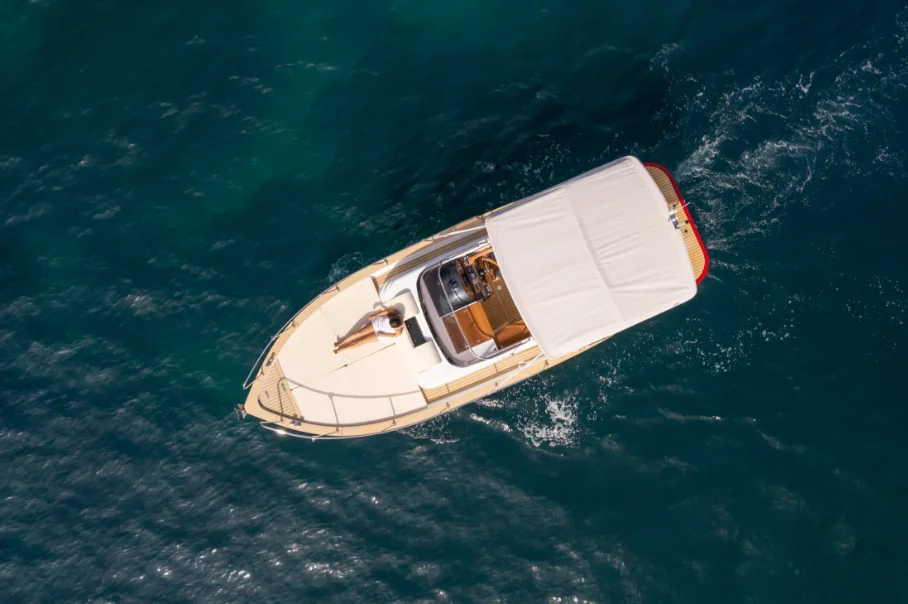
An inboard motor is built inside the boat’s hull, usually near the center. It connects to a drive shaft that extends through the bottom of the boat, turning a propeller to move you through the water. Steering is handled by a rudder, which directs the boat’s movement rather than turning the entire motor like an outboard.
Inboard motors are typically four-stroke engines powered by gasoline or diesel. They’re designed to be powerful, efficient, and long-lasting, making them a solid choice for many boaters.
Common Features and Design
- Built inside the boat – This keeps the deck open, giving you more space.
- Connected to a drive shaft – Power is transferred through a shaft rather than being mounted externally.
- Uses a rudder for steering – Unlike an outboard motor, the engine stays fixed while the rudder controls direction.
- Powerful and efficient – Many inboard motors are designed for high performance and smooth rides.
Because inboard motors are inside the boat, they tend to be quieter than outboards. However, maintenance can be more challenging since you have to access the engine within the hull rather than simply tilting it up like an outboard.
Best Uses for Inboard Motors
Inboard motors are commonly found in:
- Larger boats – Yachts, cruisers, and cabin boats use inboards for better balance and power.
- Watersports boats – Ski and wakeboard boats rely on inboards for smoother waves and better wakes.
- Long trips – Inboards are built for efficiency and durability, making them ideal for long-distance boating.
- Commercial and fishing boats – Many professional fishing boats use inboards because they’re reliable and fuel-efficient.
If you want power, stability, and a sleek design, an inboard motor could be the right choice. But how does it compare to an outboard? Let’s take a look.
Understanding Outboard Motors
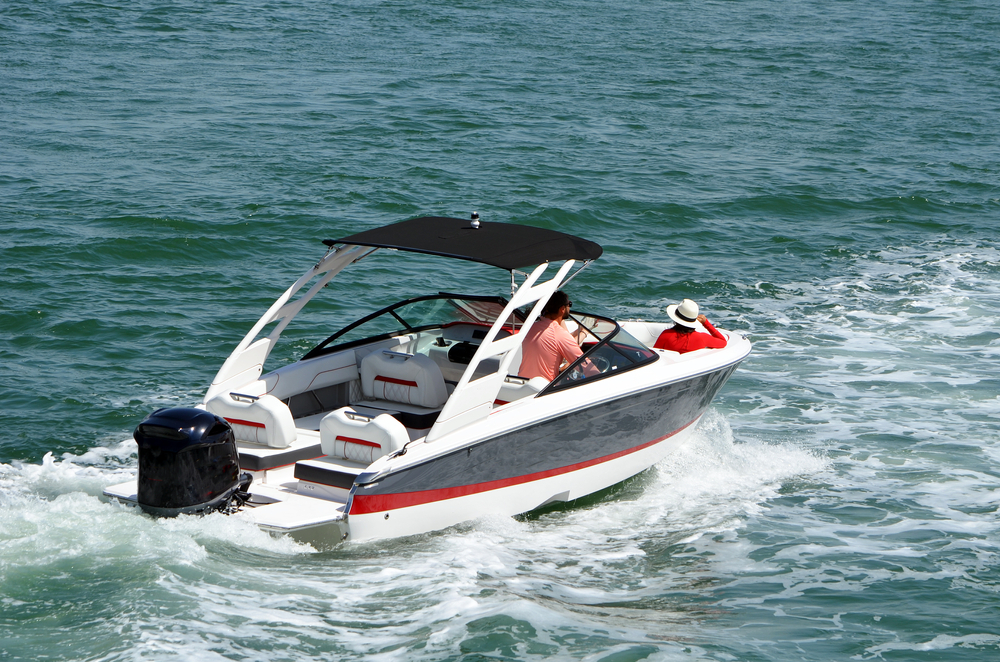
An outboard motor is a self-contained engine mounted on the back of the boat. It includes the engine, gearbox, and propeller all in one unit. Unlike inboard motors, which stay fixed in place, outboards pivot left and right to steer the boat. Many also tilt up and out of the water, which helps protect the motor when not in use and makes maintenance easier.
Outboard motors come in two-stroke and four-stroke models, with gasoline being the most common fuel type. They range from small, lightweight engines for dinghies to high-powered motors capable of pushing large boats at high speeds.
Common Features and Design
- Mounted externally – The motor sits on the transom (the back of the boat), making it easy to access and remove if needed.
- Movable steering – The entire motor turns to steer the boat, offering quick and precise maneuverability.
- Tilting ability – Most outboards can be raised out of the water to prevent damage and reduce drag when not in use.
- Variety of power options – Available in a wide range of horsepower levels, from small electric motors to powerful V8 outboards.
- Easier maintenance – Since the engine is exposed, maintenance and repairs are typically simpler compared to inboards.
Best Uses for Outboard Motors
Outboard motors are popular for many types of boats, including:
- Fishing boats – Many anglers prefer outboards because they offer great maneuverability and can be tilted in shallow water.
- Smaller boats and dinghies – Lightweight and portable, outboards are perfect for small watercraft.
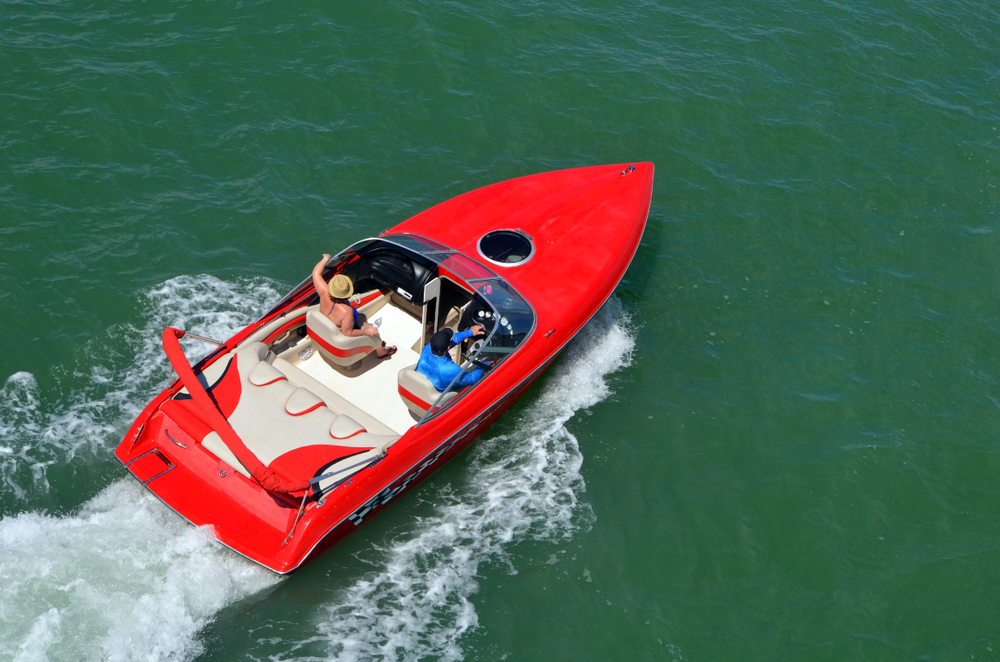
- Speedboats and performance boats – High-horsepower outboards provide serious speed and agility.
- Pontoon boats – Many pontoons use outboards for smooth, efficient cruising.
- Recreational boats – If you want a boat that’s easy to maintain and transport, an outboard motor is often the best choice.
If you’re looking for ease of use, quick handling, and straightforward maintenance, an outboard motor might be the right fit. But how do inboard and outboard motors compare when it comes to performance, cost, and upkeep? Let’s break it down.
Inboard vs Outboard Motors: What’s the Difference?
If you’re picking between an inboard and outboard motor, it helps to know how they compare in design, performance, and handling. Here’s a simple breakdown of what sets them apart.
Where They’re Located
The biggest difference is where the motor sits on the boat.
- Inboard Motors are built inside the boat, usually near the center. They connect to a propeller with a drive shaft and use a rudder for steering. Since they’re tucked away, they give the boat a cleaner look and free up space at the back.
- Outboard Motors are attached to the back of the boat. This makes them easy to access for repairs and maintenance. Because they’re mounted outside, they also leave more room on deck.
If you like a sleek, built-in look, inboards are a good choice. If you want a motor that’s easier to remove and service, outboards make more sense.
Power and Speed
Both motors provide plenty of power, but they perform differently depending on the type of boat and how you use it.
- Inboard Motors work well for larger boats and long-distance trips. They distribute weight more evenly, making them stable in rough water.
- Outboard Motors are lighter and faster, making them a great option for smaller boats. They come in a range of horsepower levels, from small fishing motors to high-speed engines.
If you’re looking for fuel efficiency and stability for longer journeys, an inboard is a good fit. If speed and quick acceleration matter more, an outboard is the better choice.
Steering and Handling
How the motor steers also makes a difference.
- Inboard Motors use a rudder, making them smooth and steady at high speeds. But they’re harder to maneuver in tight spaces, like when docking.
- Outboard Motors turn more easily, giving better control at lower speeds. They allow for sharper turns and better handling around obstacles.
If you’ll be cruising in open water and want a steady ride, an inboard works well. If you need to dock often or navigate narrow areas, an outboard will make things easier.
Fuel Efficiency
How much fuel your boat uses depends on the boat’s size, the type of engine, and how you use it.
- Inboard Motors are usually better for long trips. Since they’re built inside the boat and have a fixed drive system, they use fuel more efficiently over time. Diesel inboards, in particular, are great for saving fuel.
- Outboard Motors tend to use more fuel, especially at high speeds. However, newer four-stroke outboards are more efficient than older models. They work well for shorter trips but use more fuel than inboards when running at full speed.
If you take long trips and want to save fuel, an inboard motor is a better choice. If you mostly go on short, fast rides, an outboard motor might be a better fit.
Maintenance and Repairs
How easy it is to take care of your motor is an important thing to consider.
- Inboard Motors are harder to reach because they’re inside the boat. Regular maintenance, like oil changes and filter replacements, takes longer and often requires a mechanic, which can be costly.
- Outboard Motors are easier to maintain since they’re mounted on the outside. You can tilt them up for cleaning, and basic tasks like oil changes and propeller replacements are simple. If needed, the whole motor can be removed for repairs or replacement.
If you want a motor that’s easy to work on yourself, go with an outboard. If you don’t mind paying for professional service and want something built to last, an inboard is a solid choice.
Cost Considerations
The cost of a motor isn’t just about the price tag. It also includes maintenance and fuel costs over time.
- Inboard Motors cost more upfront and need professional servicing, which adds to long-term expenses. However, they’re built to last and can be a smart investment for frequent boaters.
- Outboard Motors are usually cheaper to buy and easier to fix. If something goes wrong, you can replace the motor without making major changes to the boat.
If you want a fuel-efficient option that lasts a long time, an inboard motor may be worth the cost. If you’re looking for something more budget-friendly and easier to maintain, an outboard is a better choice.
Pros and Cons of Inboard and Outboard Motors
Both inboard and outboard motors have their good and bad sides. The right choice depends on how you use your boat. Here’s a simple breakdown.
Inboard Motors: Pros and Cons
✅ Pros:
- Uses less fuel on long trips – Diesel inboard motors are especially fuel-efficient.
- More stable ride – The motor is inside the boat, which helps with balance.
- Quieter operation – Since the engine is enclosed, it makes less noise.
- Great for watersports – Creates the right waves for wakeboarding, skiing, and surfing.
❌ Cons:
- More expensive – Both the purchase price and maintenance costs are higher.
- Harder to fix – The engine is inside the boat, making repairs trickier.
- Less maneuverable – Steering depends on a rudder, which can make docking harder.
Outboard Motors: Pros and Cons
✅ Pros:
- Easier to maintain – The motor is outside the boat, making repairs simpler.
- Better maneuverability – The whole motor moves, making steering more responsive.
- More affordable upfront – Generally costs less than an inboard motor.
- More space inside the boat – Since the motor is outside, you get more deck room.
- Can tilt out of the water – Helps prevent damage and reduce drag.
❌ Cons:
- Uses more fuel – Less efficient for long trips, especially at high speeds.
- Noisier – Outboards are louder since they aren’t enclosed.
- Can affect stability – Having the motor at the back may make larger boats feel less balanced.
Both motor types have their benefits. The best one for you depends on your boating needs.
Choosing the Right Motor for Your Needs
The best motor for your boat depends on how you plan to use it. Whether you love cruising, fishing, watersports, or need a boat for commercial use, there is a motor that fits your needs. Here is how to choose the right one.
Best Motor for Recreational Boating
If you enjoy boating for fun, such as cruising along the coast, exploring lakes, or spending weekends on the water, outboard motors are usually the better choice.
- They are easy to maintain and repair, which is great for casual boaters.
- They offer good speed and control, making them simple to handle.
- You can tilt them up when not in use, helping to prevent damage.
For bigger boats, an inboard motor might be better if you want a quieter ride and more deck space.
Best Motor for Fishing and Commercial Use
The right motor for fishing or commercial boating depends on where and how you use your boat.
- Outboard motors work well for small to medium fishing boats. They are great for shallow waters, easy to maintain, and allow for quick turns. This makes them perfect for rivers, lakes, and coastal waters.
- Inboard motors are better for larger commercial fishing boats in deep waters. They use fuel more efficiently and have more power to carry heavy loads.
If you fish often and want a reliable, budget-friendly motor, an outboard is a great choice. If you run a commercial fishing business or take long trips offshore, an inboard is a solid investment.
Best Motor for Watersports and Speed
For wakeboarding, water skiing, and other watersports, inboard motors are the top choice.
- They create better wakes for wake surfing.
- They offer more stability at high speeds for a smoother ride.
- Many boats designed for watersports come with inboard motors for better performance.
If you prefer speed boating or racing, a high-powered outboard motor might be better. Outboards offer quick acceleration and sharp turns, making them great for performance boating.
Maintenance and Costs
Thinking about long-term costs? Here is how inboards and outboards compare:
- Outboard motors cost less upfront, are easier to repair, and can be replaced without major boat modifications. However, they may need more frequent maintenance.
- Inboard motors are more expensive at first and need professional servicing, but they last longer and use fuel more efficiently. This is especially beneficial for commercial boats and long-distance trips.
If you want a low-maintenance, budget-friendly option, go with an outboard. If you need a long-lasting motor for a larger or commercial boat, an inboard might be worth it.
Choosing Between Inboard and Outboard Motors
Both inboard and outboard motors have their benefits, and the best option depends on how you use your boat.
Outboard motors are great for casual boating, fishing, and easy handling. They are more affordable, simple to maintain, and work well for smaller boats.
Inboard motors are better for larger boats, long trips, and watersports. They provide a smoother, quieter ride and use fuel more efficiently over long distances, but they need more upkeep.
If you want something easy to maintain and versatile, go with an outboard. If you need more power and efficiency for longer trips, an inboard is a better fit. Either way, choosing the right motor will help you enjoy your time on the water.
Need Expert Service for Your Boat? Contact Robbie’s Marina of Key West
Whether you have an inboard or outboard motor, Robbie’s Marina of Key West offers comprehensive services to keep your boat running smoothly. From routine maintenance to complete overhauls, we provide expert care tailored to your needs. Our services include:
- Outboard Services: Expert maintenance and repairs to keep your outboard motor running at peak performance.
- Dockage: Spacious slips with deep water access for vessels of all sizes.
- Fiberglass Repair: High-quality restoration and custom work for durability and style.
- Marine Electrical Troubleshooting: Advanced diagnostics for all your electrical needs.
- Custom Paint & Gelcoat: Expert application to keep your boat looking its best.
Whether you need repairs, upgrades, or docking, we’ve got you covered. Contact Robbie’s of Key West today to learn more about how we can help keep your boat in top shape!

FAQs
1. Which motor lasts longer, inboard or outboard?
Inboard motors usually last longer because they’re built for long-distance travel and heavy use. But they do need regular professional maintenance. Outboard motors are easier to replace and take care of, but they might not last as long, especially if they’re used in saltwater without proper cleaning.
2. Are inboard motors safer than outboard motors?
Both are safe when used correctly. Inboard motors are better for watersports because their propeller is under the boat, reducing the risk of injury. Outboard motors, however, are easier to steer, which can be helpful in emergencies.
3. Which motor is more fuel-efficient?
Inboard motors, especially diesel ones, use less fuel on long trips. Outboard motors tend to burn more fuel at high speeds, but newer models are becoming more fuel-efficient.
4. Can I switch from an inboard to an outboard motor (or vice versa)?
Yes, but it’s a big job. Switching requires major changes to the boat, which can be expensive and time-consuming. It’s usually best to stick with the type of motor your boat was designed for.
5. Which motor is better for saltwater?
Both can handle saltwater, but outboard motors are easier to rinse off and maintain. Inboard motors need extra care to prevent corrosion, but they can still work well in saltwater if properly maintained.
6. Are outboard motors faster than inboard motors?
Outboard motors accelerate faster and can reach higher speeds on smaller boats. Inboard motors are more about steady, smooth cruising rather than speed bursts.
7. Which motor is easier to maintain?
Outboard motors are much easier to take care of since they’re mounted outside the boat and can be removed if needed. Inboard motors require professional servicing because they’re built inside the boat and harder to access.
8. Which motor is better for shallow water?
Outboard motors are the better choice because they can be tilted up to avoid hitting the bottom. This makes them great for lakes, rivers, and coastal areas. Inboard motors sit lower in the water and aren’t as easy to adjust in shallow spots.
9. Do inboard or outboard motors need more maintenance?
Inboard motors need more professional maintenance because they have more complex cooling and exhaust systems. Outboard motors are easier to maintain since they’re mounted externally and allow for simple DIY repairs.
10. Can I use multiple outboard motors instead of an inboard?
Yes! Many boats can run with multiple outboard motors instead of one inboard. This setup gives more power, backup in case of engine trouble, and easier repairs. It’s common for offshore fishing boats and high-speed vessels, though it might not be as stable as an inboard on larger boats.