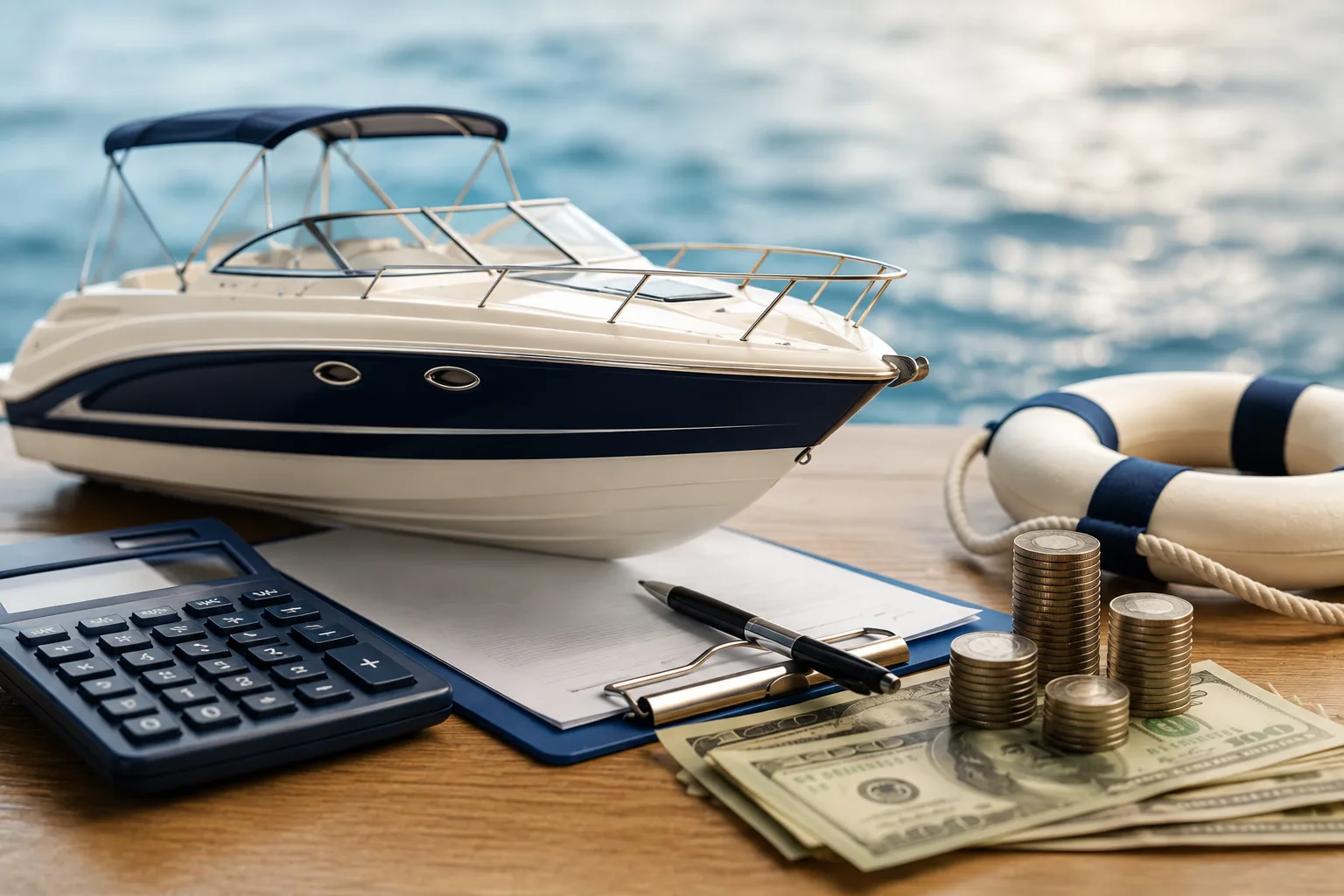
Owning a boat can provide years of enjoyment, whether you use it for fishing, watersports, cruising, or relaxing with family and friends. Along with regular maintenance and fuel costs, boat owners should also consider the cost of protecting their investment with boat insurance.
Boat insurance helps cover financial losses if your boat is damaged, stolen, or involved in an accident. The cost of a policy can vary widely depending on the type of boat you own, its value, where you use it, and the amount of coverage you choose.
This guide explains how boat insurance costs are determined, what factors affect your premium, the types of coverage available, and ways to save money while making sure your boat is properly protected.
What Is Boat Insurance?
Boat insurance is a policy that helps protect boat owners from financial losses related to accidents, theft, weather damage, and liability claims. Depending on the policy, it may also cover damage to your boat, injuries to others, medical expenses, and damage caused to another person’s property.
Although boat insurance works similarly to auto insurance, policies can vary based on the type of boat and how it is used.
How Much Does Boat Insurance Cost?
There is no single price for boat insurance because every boat and every owner is different.
Many recreational boat owners in the United States pay anywhere from $200 to $1,000 or more per year for coverage. Smaller boats with lower values generally cost less to insure, while larger or high-performance boats usually have higher premiums.
Luxury yachts, offshore fishing boats, and boats with powerful engines often require more comprehensive coverage, resulting in higher insurance costs.
Factors That Affect Boat Insurance Cost
Insurance companies consider several factors when calculating your premium.
Boat Type
The type of boat you own is one of the biggest factors affecting insurance costs.
Examples include:
- Fishing boats
- Pontoon boats
- Sailboats
- Bass boats
- Personal watercraft
- Cabin cruisers
- High-performance boats
High-speed boats usually cost more to insure because they present a greater risk of accidents.
Boat Value
The more expensive your boat is, the more it typically costs to insure.
Insurance companies consider the replacement or market value of the boat when calculating premiums.
Boat Age
Older boats may cost less to insure because of their lower value, but they may also require inspections before coverage is approved.
Newer boats often qualify for additional coverage options but may have higher premiums due to their higher replacement cost.
Boat Size
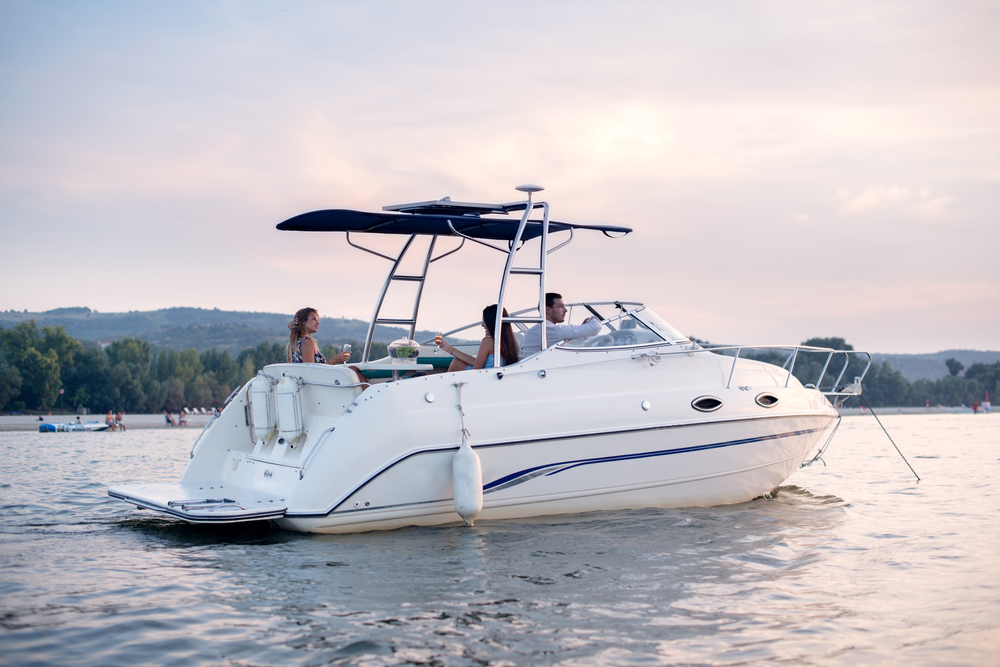
Larger boats generally have higher insurance costs because repairs and replacement are more expensive.
Longer boats may also require specialized equipment and larger storage facilities.
Engine Type and Horsepower
Powerful engines increase both the value of the boat and the potential risk of accidents.
As engine horsepower increases, insurance premiums may also increase.
Where You Boat
Location plays an important role in determining insurance costs.
Insurance companies may consider:
- Hurricane exposure
- Theft rates
- Weather conditions
- Water traffic
- Local accident history
Boats kept in coastal areas with frequent storms may have higher premiums than those used on inland lakes.
How You Use Your Boat
Insurance companies often ask how you plan to use your boat.
For example:
- Recreational cruising
- Fishing
- Watersports
- Seasonal boating
- Long-distance travel
Boats used more frequently or in offshore waters may cost more to insure.
Boating Experience
Experienced boat owners with a safe boating history may qualify for lower insurance rates.
Completing an approved boating safety course may also help reduce premiums with some insurers.
Types of Boat Insurance Coverage
Understanding the different types of coverage can help you choose a policy that fits your needs.
Physical Damage Coverage
This coverage helps pay for repairs or replacement if your boat is damaged by a covered event such as:
- Collision
- Fire
- Theft
- Vandalism
- Certain weather events
Coverage depends on the policy terms and deductible.
Liability Coverage
Liability coverage helps pay for injuries or property damage if you are found legally responsible for an accident involving your boat.
This coverage can help protect your finances if another person files a claim against you.
Medical Payments Coverage
Medical payments coverage helps pay certain medical expenses if you or your passengers are injured in a covered boating accident, regardless of who was at fault.
Uninsured or Underinsured Boater Coverage
If another boater causes an accident but has little or no insurance, this coverage may help pay for certain damages or injuries, depending on your policy.
Optional Boat Insurance Coverage
Many insurers offer additional coverage options.
These may include:
- Trailer coverage
- Fishing equipment coverage
- Personal belongings coverage
- Emergency towing assistance (how to tow a boat safely?)
- Fuel spill liability
- Wreck removal
- Mechanical breakdown protection in some cases
Optional coverage allows you to customize your policy based on how you use your boat.
What Boat Insurance Usually Covers
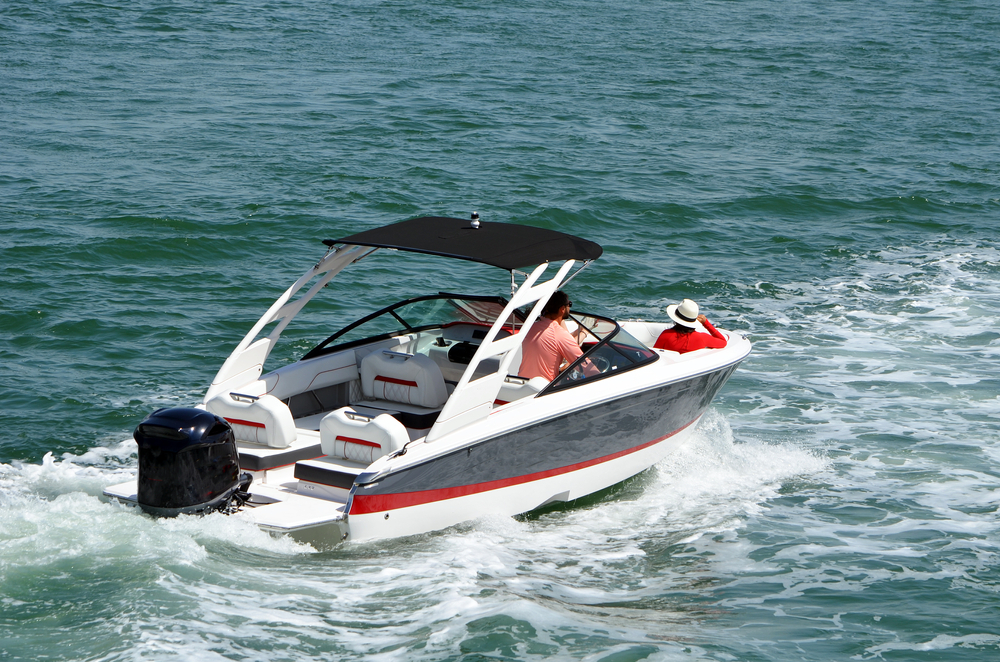
Every policy is different, but many boat insurance policies may cover:
- Boat damage from covered accidents
- Theft
- Fire
- Lightning
- Vandalism
- Collision with another boat
- Damage to docks or other property
- Legal liability
- Medical payments
- Emergency assistance, depending on the policy
Always review your policy carefully to understand exactly what is included.
What Boat Insurance May Not Cover
Boat insurance policies also have exclusions.
Common exclusions may include:
- Normal wear and tear
- Lack of maintenance
- Manufacturer defects
- Damage caused intentionally
- Illegal activities
- Certain commercial uses
- Damage outside the covered navigation area
Reading the policy carefully helps prevent surprises if you need to file a claim.
Is Boat Insurance Required?
Boat insurance requirements vary by state and by the type of boat you own.
In many states, boat insurance is not legally required for every recreational boat. However, lenders often require insurance if the boat is financed.
Many marinas and storage facilities also require proof of liability insurance before allowing boats to be docked or stored.
Even when insurance is not required by law, many owners choose coverage because repairs, liability claims, and replacement costs can be significant.
How to Lower Boat Insurance Costs
There are several ways to reduce your insurance premium without giving up important protection.
Complete a Boating Safety Course
Some insurance companies offer discounts to boat owners who complete an approved boating safety course.
Choose a Higher Deductible
Selecting a higher deductible may reduce your annual premium.
However, be sure you can comfortably afford the deductible if you need to file a claim.
Bundle Insurance Policies
Some insurers offer discounts if you purchase multiple policies, such as home, auto, and boat insurance.
Store Your Boat Safely
Keeping your boat in a secure marina, storage facility, or covered location may reduce the risk of theft or weather damage.
Maintain Your Boat
Regular maintenance can help prevent mechanical problems and reduce the likelihood of insurance claims.
Shop Around
Insurance companies use different methods to calculate premiums.
Comparing quotes from several insurers can help you find competitive pricing for similar coverage.
How to Choose the Right Boat Insurance Policy
Choosing the lowest premium is not always the best decision.
Consider the following when comparing policies:
- Coverage limits
- Deductibles
- Customer service
- Claims process
- Financial strength of the insurer
- Optional coverage available
- Exclusions and limitations
A policy that offers broader protection may provide better value than one with the lowest price.
FAQs About Boat Insurance Cost
Does boat insurance cover hurricanes?
Some policies provide coverage for hurricane damage, while others may have special deductibles or exclusions. Review your policy carefully if you keep your boat in coastal areas.
Does homeowner’s insurance cover my boat?
Some homeowner’s insurance policies provide limited coverage for small boats, but larger boats usually require a separate boat insurance policy.
Can I insure a used boat?
Yes. Many insurance companies insure used boats, although they may consider the boat’s age, condition, and value before issuing coverage.
Does boat insurance cover theft?
Many comprehensive boat insurance policies include theft coverage for the boat and, in some cases, covered equipment. Coverage varies by insurer and policy.
Do I need insurance if I only use my boat a few times each year?
Even occasional use involves risks such as accidents, storms, theft, or liability claims. Many owners choose insurance for financial protection regardless of how often they use their boat.
Conclusion
Boat insurance is an important part of responsible boat ownership. While the cost of coverage varies depending on your boat, location, experience, and the protection you choose, the right policy can help reduce the financial impact of accidents, theft, weather damage, and liability claims.
Before purchasing a policy, compare quotes from multiple insurers, review the coverage carefully, and choose limits that match your boating needs. Looking beyond price alone and understanding what your policy includes can help you make an informed decision and enjoy your time on the water with greater peace of mind.