
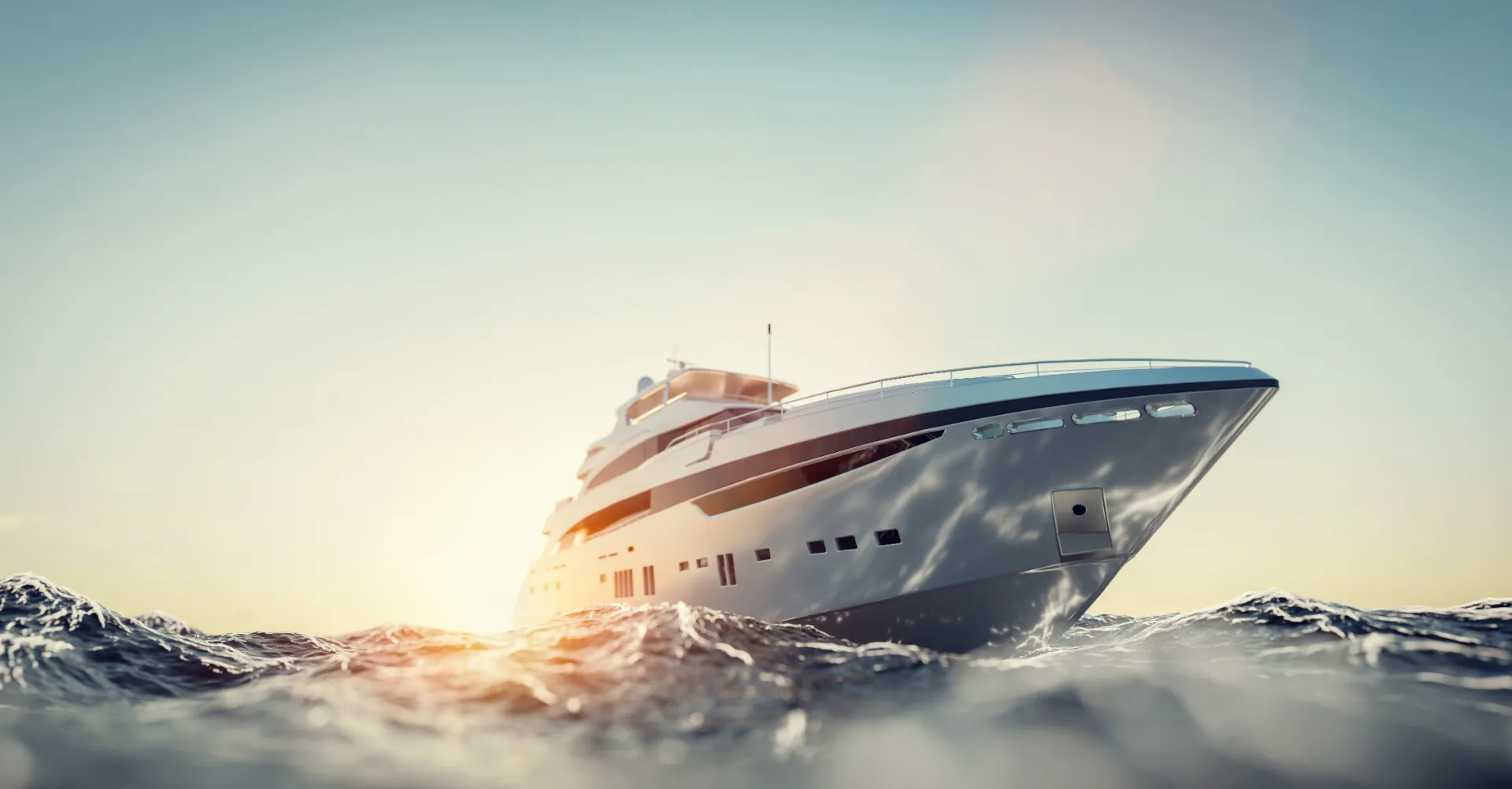
A yacht is a recreational boat or vessel used for activities such as cruising, sailing, fishing, and enjoying time on the water. Yachts come in different sizes and designs, from small sailing vessels to large luxury yachts with bedrooms, kitchens, dining areas, and entertainment spaces. They can be powered by engines, wind, or a combination of both.
People use yachts for private trips, family vacations, parties, fishing excursions, and exploring coastal destinations. Some yachts are designed for speed and performance, while others focus on comfort, luxury, and long-distance travel.
Whether you are interested in renting a yacht for a day or learning about different types of boats, understanding what a yacht is can help you choose the right vessel for your needs.
Key Takeaways
- A yacht is a recreational vessel used for cruising, sailing, fishing, sightseeing, and private events.
- The main types of yachts include motor yachts, sailing yachts, luxury yachts, catamaran yachts, and fishing yachts.
- Motor yachts use engines, while sailing yachts primarily use wind power through sails.
- Yachts vary in size and amenities. Some offer basic seating and cabins, while larger yachts may include bedrooms, kitchens, bathrooms, and entertainment areas.
- The main difference between a yacht and a boat is that yachts are generally designed for recreational use, while boats serve a wider range of purposes.
- You can buy or rent a yacht for family outings, fishing trips, sightseeing, celebrations, or overnight cruises.
- Yacht ownership costs include fuel, maintenance, insurance, docking fees, and repairs.
- Before renting a yacht, check its passenger capacity, included amenities, total cost, safety equipment, and whether a captain is provided.
- Yacht safety is essential. Always follow the captain’s instructions and check weather conditions before departure.
What Is a Yacht?
A yacht is a boat or ship primarily used for recreational purposes rather than commercial transportation or cargo operations. Yachts are commonly associated with leisure activities, private cruising, sailing, and luxury experiences.
Unlike commercial vessels that transport goods or passengers as their main purpose, yachts are generally designed for personal enjoyment. However, some yachts are available for charter, allowing people to rent them for vacations, celebrations, fishing trips, or sightseeing.
Yachts can be powered by engines or sails. Motor yachts use engines for propulsion, while sailing yachts use wind to move through the water. Some modern yachts combine both systems.
There is no single size that defines every yacht. Smaller yachts may be suitable for short coastal trips, while larger vessels can accommodate guests and crew for extended journeys.
What Does a Yacht Look Like?
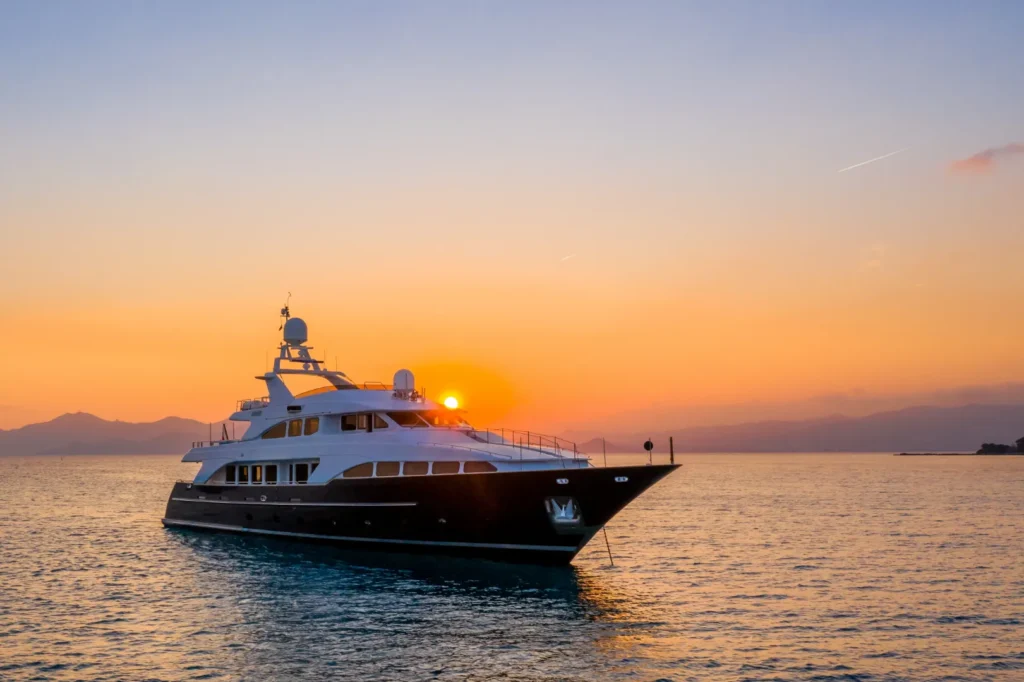
Yachts vary considerably in appearance depending on their purpose, size, and design.
A small sailing yacht may have a narrow hull, a tall mast, and sails that capture the wind. A motor yacht usually has a streamlined hull, an engine, and an open deck or enclosed cabin.
Luxury yachts often feature multiple decks, large windows, outdoor lounges, private cabins, dining areas, and modern navigation systems. Some have swimming platforms, sunbathing areas, and water sports equipment.
Common features found on yachts include:
- Hull: The main body of the vessel that sits in the water.
- Deck: The surface where people walk, relax, and enjoy outdoor activities.
- Cockpit or helm: The area where the captain controls and navigates the yacht.
- Cabin: An enclosed space that may contain seating, sleeping areas, or other facilities.
- Engine or sails: The system used to propel the yacht.
- Navigation equipment: Tools such as GPS, charts, radar, and communication systems.
- Safety equipment: Items such as life jackets, fire extinguishers, and emergency signaling devices.
Not every yacht has all these features. Smaller vessels may have limited cabin space, while larger yachts can offer many amenities.
What Are the Different Types of Yachts?
Yachts are available in several categories. Each type is designed for different activities, travel distances, and personal preferences.
1. Motor Yacht
A motor yacht uses one or more engines to travel through the water. It is a popular choice for people who want comfortable cruising without relying on wind conditions.
Motor yachts come in many sizes. Smaller models are suitable for day trips and coastal cruising, while larger vessels may have multiple cabins and facilities for overnight stays.
They are commonly used for sightseeing, family outings, private celebrations, and luxury vacations.
2. Sailing Yacht
A sailing yacht uses sails to harness wind power. Many sailing yachts also have an engine for maneuvering in harbors or traveling when wind conditions are unsuitable.
Sailing yachts appeal to people who enjoy traditional sailing, navigation, and spending time on the water. They can be used for short recreational trips or longer sailing journeys.
Their speed depends on factors such as wind strength, sail design, hull shape, and water conditions.
3. Luxury Yacht
A luxury yacht emphasizes comfort, space, and premium amenities. Depending on its size, it may include spacious cabins, elegant lounges, dining rooms, sun decks, and entertainment systems.
Large luxury yachts may also have professional crews, chefs, and dedicated service staff. Some feature equipment for water sports, swimming, and diving.
Luxury yachts are often rented for private vacations, special occasions, corporate events, and exclusive cruising experiences.
4. Catamaran Yacht
A catamaran has two parallel hulls connected by a deck structure. This design provides a wider platform than many traditional single-hull boats.
Catamaran yachts can be powered by engines or sails. They are popular for coastal cruising, island hopping, and group outings.
Their wide layout can provide generous deck space and comfortable social areas. Many sailing catamarans are designed with multiple cabins and living spaces.
However, performance and comfort depend on the specific design, weather, and sea conditions.
5. Sport Yacht
A sport yacht is designed to combine performance with recreational comfort. Many models have powerful engines, streamlined designs, and open decks suitable for relaxing or entertaining.
Sport yachts are often used for day trips, coastal cruising, and water-based recreation. Some prioritize speed, while others balance performance with overnight accommodation.
6. Fishing Yacht
A fishing yacht is designed or equipped for recreational fishing. Features may include fishing rod holders, storage for tackle, livewells, fish boxes, and open areas for anglers.
Some fishing yachts are built for offshore trips and may include advanced navigation equipment, fish-finding technology, and equipment suited to rougher conditions.
Not every yacht is designed for fishing, so people planning a fishing excursion should check whether the vessel has the appropriate equipment and facilities.
7. Explorer Yacht
An explorer yacht is designed for longer journeys and travel to remote destinations. These vessels often emphasize range, durability, storage, and the ability to operate in different conditions.
Depending on the design, explorer yachts may have additional fuel capacity, specialized navigation systems, and equipment for extended stays away from ports.
They are generally intended for owners or charter guests interested in extended cruising and exploring less-developed destinations.
What Is the Difference Between a Yacht and a Boat?
A yacht is a type of recreational vessel, while a boat is a broader term for many kinds of watercraft.
The word “boat” can describe small fishing boats, pontoons, sailboats, motorboats, and many other vessels. A yacht usually refers to a vessel intended primarily for leisure, cruising, sailing, or luxury recreation.
Here are some common differences:
| Feature | Yacht | Boat |
| Main purpose | Recreation, cruising, sailing, or luxury travel | Fishing, transport, recreation, work, and other uses |
| Size | Often larger, but smaller yachts also exist | Ranges from very small to large |
| Amenities | May include cabins, lounges, kitchens, and sleeping areas | Varies from basic to highly equipped |
| Propulsion | Engines, sails, or both | Engines, sails, paddles, or other systems |
| Cost | Can be expensive to buy, maintain, or charter | Varies widely depending on type and size |
| Typical activities | Cruising, sailing, entertaining, and extended trips | Fishing, watersports, transportation, and recreation |
The distinction is not always strict. There is no universal size threshold that separates every yacht from every other boat. Design, intended use, and common terminology all play a role.
What Is the Difference Between a Yacht and a Ship?
Yachts and ships can both be large vessels, but they generally serve different purposes.
A yacht is primarily designed for recreational use. A ship is typically associated with commercial transport, military operations, cargo movement, or large-scale passenger travel.
For example, a yacht may carry a family on a coastal vacation, while a cargo ship transports goods across oceans. A cruise ship carries large numbers of paying passengers and provides organized travel and entertainment services.
However, size alone does not determine whether a vessel is called a yacht or a ship. Large private yachts can be enormous, and the terminology may vary depending on the vessel and its intended use.
What Are Yachts Used For?
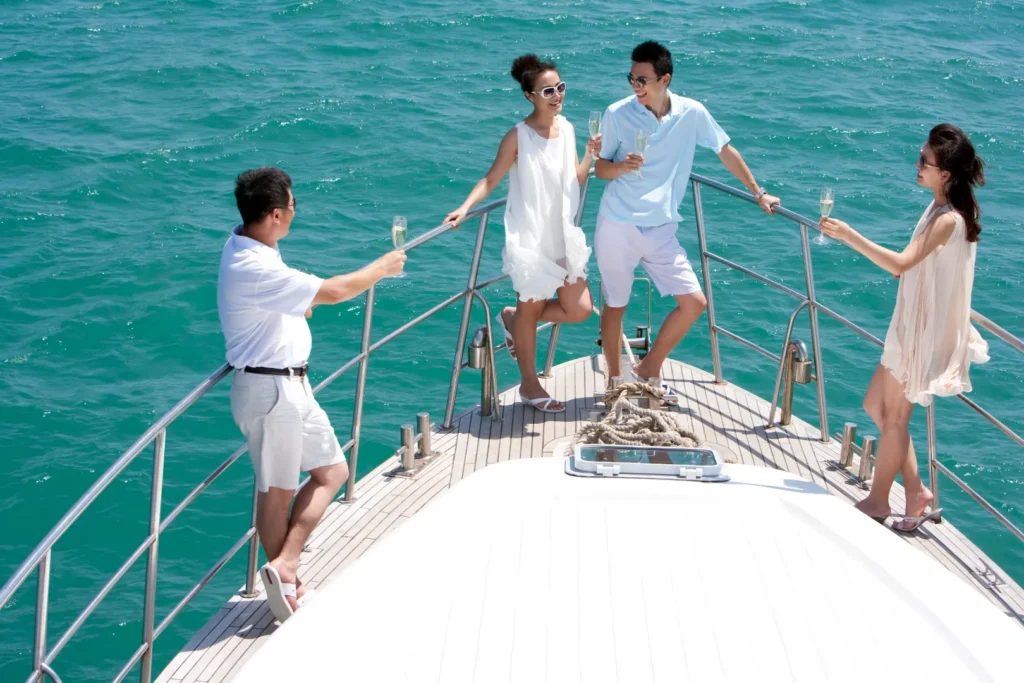
Yachts support a wide range of recreational activities. The best use depends on the vessel’s design, equipment, and operating area.
Cruising and Sightseeing
A yacht may be rented for a few hours or used for a longer journey with overnight stays.
Cruising is one of the most common uses for yachts. Passengers can travel along coastlines, explore bays, view marine scenery, and visit nearby islands.
Family Outings
Families often use yachts for private time on the water. Depending on the vessel, activities may include sightseeing, relaxing on deck, swimming in permitted areas, and enjoying meals together.
Choosing a yacht with suitable seating, shade, safety equipment, and facilities can make the trip more comfortable.
Parties and Special Events
Yachts are sometimes chartered for birthdays, anniversaries, private parties, and corporate gatherings.
The available space and permitted passenger capacity depend on the vessel. Before booking an event, it is important to confirm the number of guests allowed, catering arrangements, operating hours, and any restrictions on music or decorations.
Fishing Trips
Some yachts are equipped for recreational fishing, including offshore fishing. These vessels may provide specialized gear, storage, and space for anglers.
Before booking, confirm which fishing activities are available, whether equipment is included, and whether the trip complies with local fishing regulations.
Sailing and Water Sports
Sailing yachts allow passengers to experience wind-powered travel, while some motor yachts and catamarans are equipped for water sports.
Depending on the operator and location, activities may include snorkeling, swimming, paddleboarding, or other permitted water-based recreation.
Not every yacht offers these activities, so check the available equipment and safety arrangements before booking.
Overnight and Long-Distance Travel
Larger yachts may have sleeping cabins, bathrooms, kitchens, and other facilities that make overnight travel possible.
Some are designed for extended cruising, while smaller day yachts are better suited to trips that return to port on the same day.
What Is Inside a Yacht?
The interior of a yacht depends on its size and purpose.
A small yacht may have only a compact cabin with seating and basic storage. A larger yacht may have several separate living spaces.
Common interior features include:
- Cabins: Sleeping rooms for guests or crew.
- Saloon: An indoor lounge or seating area.
- Galley: The kitchen area used to prepare food.
- Bathrooms: Facilities for washing and personal needs.
- Dining area: A place for meals, which may be indoors or outdoors.
- Navigation station: Equipment and controls used to plan and manage the voyage.
- Storage spaces: Areas for food, personal belongings, safety gear, and supplies.
Luxury yachts may include additional features such as entertainment rooms, larger kitchens, private balconies, or dedicated crew areas.
Smaller yachts may not have a kitchen, bathroom, or sleeping cabin, so it is important to review the vessel’s layout before booking.
How Much Does a Yacht Cost?
The cost of a yacht varies significantly depending on its size, type, age, brand, equipment, and condition.
Buying a small recreational yacht can cost far less than purchasing a large luxury yacht. New vessels generally have different price points from used models, and specialized yachts may cost more because of their equipment and design.
Ownership also involves expenses beyond the purchase price.
Common yacht ownership costs include:
- Fuel and engine maintenance
- Insurance
- Docking or marina fees
- Cleaning and routine servicing
- Repairs and replacement parts
- Safety equipment and inspections
- Crew wages, where applicable
- Winter storage or other seasonal expenses, where applicable
Chartering a yacht is another option for people who want to enjoy a trip without owning a vessel.
Charter prices depend on the destination, yacht size, trip duration, season, passenger capacity, and included services. Fuel, food, crew gratuities, or other expenses may be charged separately.
For an accurate estimate, compare the full booking terms rather than looking only at the advertised price.
Can You Rent a Yacht?
Yes. Many yacht operators offer rentals or charters for recreational activities.
Depending on the destination and vessel, you may be able to book a yacht for a few hours, a full day, an overnight stay, or a longer vacation.
Some rentals include a professional captain and crew. Others may allow qualified customers to operate the vessel themselves, subject to local laws, licensing requirements, insurance conditions, and the rental company’s policies.
Before booking a yacht, consider the following:
- Purpose of the trip: Decide whether you want sightseeing, fishing, sailing, a celebration, or an overnight cruise.
- Passenger capacity: Choose a vessel that legally accommodates everyone in your group.
- Trip duration: Confirm whether the rental is hourly, half-day, full-day, or overnight.
- Included amenities: Ask about seating, shade, bathrooms, refreshments, and other facilities.
- Safety equipment: Confirm that required safety equipment is available and appropriate for the trip.
- Captain and crew: Check whether they are included in the price.
- Total cost: Ask about fuel, taxes, deposits, gratuities, and cancellation policies.
- Weather policy: Understand what happens if unsafe weather affects the trip.
Booking with a reputable operator and confirming the details in advance can help make the experience smoother.
Do You Need a License to Operate a Yacht?
Licensing requirements depend on where you plan to operate the yacht, the vessel’s size and propulsion, and whether the trip is private or commercial.
Some jurisdictions require certain qualifications or licenses for operating particular vessels. Others may have different rules for recreational boating, commercial charters, or foreign visitors.
Even where a formal license is not required, operating a yacht safely requires knowledge of navigation, weather, right-of-way rules, emergency procedures, and local boating regulations.
If you rent a yacht with a captain, the captain generally handles navigation and vessel operation. However, you should still follow safety instructions and any requirements imposed by the operator or local authorities.
Always verify the current rules for your intended destination before operating a yacht.
How Fast Can a Yacht Go?
A yacht’s speed depends on its design, engine power, hull shape, weight, and operating conditions.
Sailing yachts rely heavily on wind strength, sail configuration, and water conditions. Motor yachts can travel at a wide range of speeds depending on their engines and hull designs.
Some yachts are designed for efficient cruising, while sport models prioritize higher performance. Larger displacement yachts generally emphasize comfort and range rather than speed.
Actual speed can also be limited by waves, currents, visibility, navigation restrictions, and local speed limits.
There is no single speed that applies to all yachts. The manufacturer’s specifications and the vessel’s operating conditions provide a more accurate estimate.
Are Yachts Safe?
Yachts can provide enjoyable recreational experiences when they are properly maintained and operated responsibly. However, all boating activities involve risks, including changing weather, rough water, collisions, equipment failures, and accidental falls.
Safety depends on the vessel, the captain’s experience, the conditions, and the behavior of everyone on board.
Important yacht safety practices include:
- Wear a properly fitted life jacket when required and whenever conditions make it advisable.
- Listen to the captain’s safety briefing.
- Check weather forecasts before departure.
- Follow passenger limits and avoid overloading the vessel.
- Keep walkways clear and hold handrails when moving around.
- Avoid swimming near operating engines or in unsafe conditions.
- Never operate a yacht under the influence of alcohol or drugs.
- Know where emergency equipment is located.
- Follow instructions during an emergency.
Passengers should tell the captain if they have concerns about weather, movement, or planned activities. A responsible operator should prioritize safety over completing a trip in unsuitable conditions.
What Should You Bring on a Yacht Trip?
The items you need depend on the destination, weather, trip length, and activities planned.
For a typical recreational outing, consider bringing:
- Sunscreen
- Sunglasses
- A hat
- Comfortable clothing
- Non-slip footwear suitable for the vessel
- Drinking water
- A light jacket
- Personal medication
- A waterproof bag for valuables
- A camera or phone in a protective case
If swimming or snorkeling is part of the trip, ask whether towels and equipment are provided.
For longer trips, confirm whether meals, drinking water, bedding, and toiletries are included. Avoid bringing unnecessary items that may take up limited space or become loose when the yacht moves.
Is a Yacht the Same as a Luxury Boat?
Not necessarily. Although yachts are often associated with luxury, not every yacht is expensive or equipped with premium amenities.
Some are simple sailing vessels used for recreation, while others are designed for comfort and entertainment. Similarly, boats that are not usually called yachts can still offer luxurious features.
The term “yacht” generally refers to a recreational vessel, while the level of luxury depends on its design, size, equipment, and intended use.
Frequently Asked Questions
1. What is the main purpose of a yacht?
The main purpose of a yacht is recreational use. People use yachts for cruising, sailing, fishing, sightseeing, private events, and vacations.
2. Is a yacht a boat or a ship?
A yacht is a type of recreational vessel and is commonly considered a boat. Large yachts may be ship-sized, but the term yacht usually emphasizes recreational use.
3. What is the difference between a sailing yacht and a motor yacht?
A sailing yacht primarily uses wind and sails for propulsion, although it may also have an engine. A motor yacht uses engines as its main source of propulsion.
4. Can you sleep on a yacht?
Yes, many yachts have cabins designed for overnight stays. However, smaller day yachts may not have sleeping facilities.
5. How many people can fit on a yacht?
Passenger capacity depends on the yacht’s size, design, safety equipment, and legal limits. Always confirm the permitted capacity before booking.
6. Is a yacht suitable for fishing?
Yes. Some yachts are specifically equipped for fishing, with rod holders, storage, and other useful features. Other yachts may not be suitable for fishing.
7. Do all yachts have kitchens and bathrooms?
No. Larger yachts often have kitchens and bathrooms, but smaller vessels may have limited facilities or none at all.
8. Is buying a yacht expensive?
The purchase price and ongoing costs depend on the yacht’s size, age, type, and condition. Maintenance, fuel, insurance, docking, and repairs can add significantly to the total cost.
9. Can beginners go on a yacht?
Yes. Beginners can enjoy a yacht trip as passengers with a qualified captain and reputable operator. Operating a yacht independently requires appropriate knowledge, preparation, and compliance with local rules.
10. What is the difference between a yacht and a catamaran?
A yacht is a broad category of recreational vessel. A catamaran is a vessel with two parallel hulls. A catamaran can also be a yacht when it is designed and used for recreational cruising or sailing
Conclusion
A yacht is a recreational vessel used for cruising, sailing, fishing, sightseeing, celebrations, and other activities on the water. Yachts range from compact sailing vessels to large luxury motor yachts with extensive living spaces and modern amenities.
The right yacht depends on how you plan to use it, how many people will be on board, the distance you want to travel, and the facilities you need. Understanding the differences between motor yachts, sailing yachts, catamarans, fishing yachts, and other types can help you make an informed decision.
Whether you want to buy a yacht or rent one for a special occasion, always consider safety, operating costs, local regulations, and the experience offered by the operator. With the right vessel and proper planning, a yacht trip can be a memorable way to enjoy time on the water.