
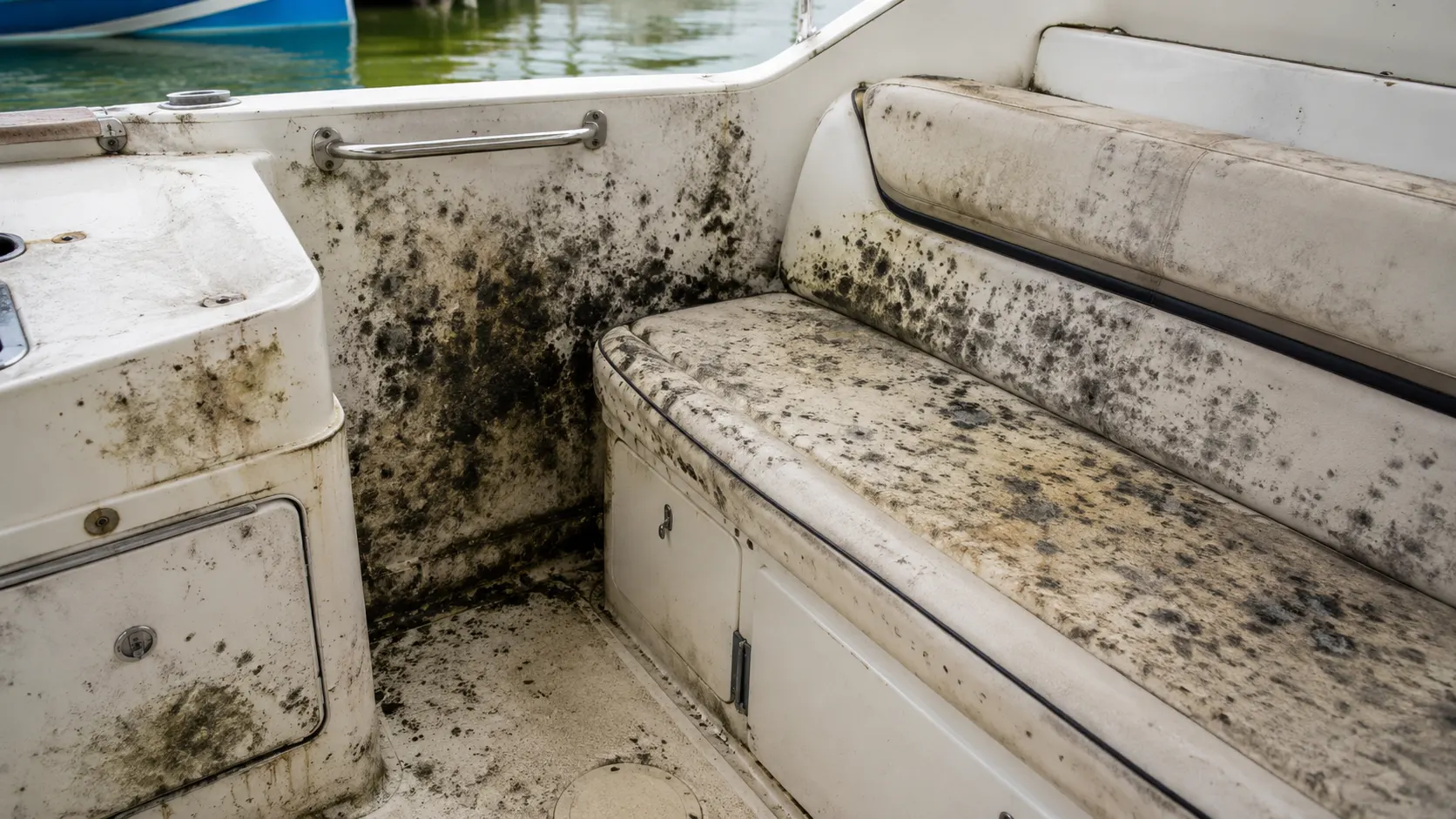
Boat mold is a common problem, especially when a boat is exposed to moisture, humidity, and poor ventilation. Mold can grow on seats, carpets, walls, cushions, storage areas, and other surfaces. Besides making the boat look dirty, mold can create unpleasant odors and damage some materials if it is allowed to grow.
The good news is that preventing boat mold is usually easier than dealing with a serious mold problem later. Keeping the boat dry, improving airflow, cleaning regularly, and dealing with leaks quickly can make a major difference.
This guide explains how to prevent boat mold and keep your boat cleaner and fresher throughout the year.
Why Does Mold Grow on Boats?

Mold needs moisture to grow. Boats naturally come into contact with water, making moisture control one of the biggest challenges for boat owners.
Humidity inside a closed boat can also create the right conditions for mold. When warm, moist air meets cooler surfaces, condensation can form. If the moisture remains on a surface for long enough, mold may eventually develop.
Other common causes include:
- Wet carpets and flooring
- Damp cushions
- Water leaks
- Poor ventilation
- Closed storage compartments
- Wet clothing or equipment
- Rainwater entering the boat
- Condensation
- Improper boat storage
Understanding where moisture comes from is the first step toward preventing boat mold.
Keep Your Boat Dry
One of the most important ways to prevent mold is to keep the interior of your boat as dry as possible.
After using the boat, remove standing water and allow wet areas to dry completely. Pay particular attention to carpets, cushions, storage compartments, and areas where water may collect.
If the boat gets wet during a trip, do not simply close everything and leave it. Give the interior time to dry.
Drying the boat after every use may take a little extra effort, but it can prevent bigger mold problems later.
Improve Ventilation
Good airflow helps reduce moisture and condensation inside the boat.
A closed boat can trap humid air, especially when temperatures change. Keeping vents open when appropriate can help moisture escape.
If your boat has built-in ventilation systems, make sure they are clean and working properly.
For stored boats, ventilation is especially important. However, the boat should still be protected from rain and direct exposure to weather.
Good airflow helps keep moisture from remaining trapped in enclosed spaces.
Use a Boat Dehumidifier
A dehumidifier can help control moisture inside an enclosed boat.
This can be especially useful when the boat is stored in a humid environment. A dehumidifier removes moisture from the air, helping create conditions that are less favorable for mold growth.
If you use an electrical dehumidifier, make sure it is suitable for the boat and that the setup is safe. Follow the manufacturer’s instructions and never use electrical equipment in an unsafe wet environment.
Use Moisture Absorbers
Moisture-absorbing products can be useful in smaller areas such as cabinets, lockers, storage compartments, and cabins. These products absorb moisture from the surrounding air and can help reduce humidity in enclosed spaces.
They should not replace proper ventilation or leak repairs, but they can provide additional moisture control.
Check them regularly and replace or empty them according to the manufacturer’s instructions.
Dry Boat Cushions Properly
Boat cushions can hold moisture inside their fabric and foam. After the boat gets wet, remove cushions when possible and allow them to dry in a well-ventilated area.
Do not stack damp cushions together because trapped moisture can create an ideal environment for mold.
If cushions have removable covers, clean and dry them according to the manufacturer’s care instructions.
Regularly inspecting cushions can also help you identify early signs of moisture or mold.
Clean Your Boat Regularly
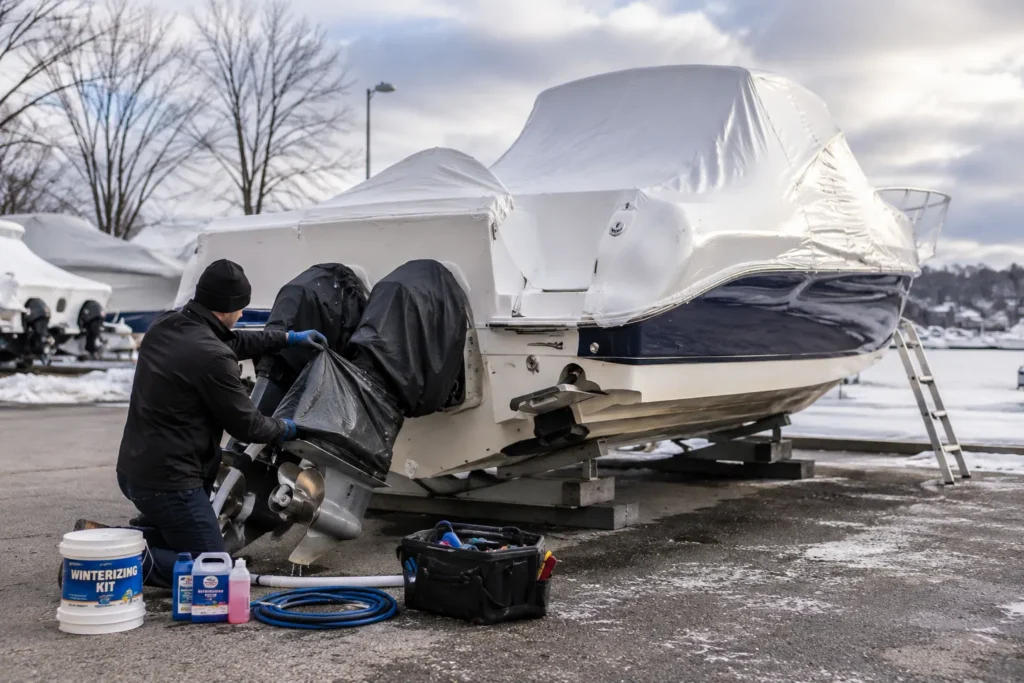
Regular cleaning can help prevent conditions that encourage mold growth.
Dirt, organic material, food residue, and other debris can accumulate on boat surfaces. When combined with moisture, these materials can contribute to unpleasant odors and biological growth.
Clean the interior regularly and pay attention to areas that are often overlooked.
These may include:
- Under cushions
- Inside storage compartments
- Around windows
- Under carpets
- Inside cabinets
- Around drains
- Near plumbing connections
A clean boat is easier to inspect and maintain.
Fix Leaks Quickly
A small leak can eventually become a major mold problem.
Check your boat regularly for signs of water intrusion. Look for damp areas, water stains, soft materials, unusual odors, or moisture inside storage spaces.
Common areas to inspect include windows, hatches, doors, seals, plumbing connections, and fittings.
If you find a leak, repair it as soon as possible.
Cleaning mold without fixing the source of moisture usually means the problem can return.
Check the Bilge
The bilge is another area that should not be ignored.
Water can collect in the bilge for several reasons. While some water may be normal depending on the boat and conditions, excessive or unexplained water should be investigated.
Keep the bilge clean and dry when possible. Check the bilge pump and make sure it is operating correctly.
If water continues to accumulate, identify the source instead of simply removing the water repeatedly.
Protect the Boat When It Is Stored
How you store your boat can have a major effect on mold growth.
A boat that is covered tightly without adequate ventilation can trap moisture inside. This can create a humid environment where mold grows easily.
Use a cover designed for your boat and make sure it allows appropriate airflow.
If the boat is stored for an extended period, check it periodically instead of leaving it completely unattended.
Opening the boat when conditions are appropriate can help identify moisture problems before they become serious.
Avoid Leaving Wet Items Inside
Wet towels, clothing, life jackets, fishing gear, and other equipment can add a surprising amount of moisture to a boat’s interior.
Whenever possible, remove wet items from the boat after use.
If equipment needs to remain onboard, allow it to dry properly and store it where there is sufficient airflow.
Do not place wet items into closed cabinets or storage compartments.
Keep Storage Compartments Ventilated
Storage compartments are often overlooked when preventing boat mold.
They are dark, enclosed, and may have limited airflow. If damp equipment is placed inside, moisture can remain trapped for a long time.
Clean storage compartments regularly and keep them dry.
Avoid overcrowding them. Leaving some space around stored items can improve airflow and make it easier to identify moisture problems.
Be Careful With Boat Covers
A boat cover protects the boat from rain and other elements, but improper use can contribute to moisture problems.
A cover that traps humid air against the boat can create condensation.
Make sure the cover fits properly and is designed for the type of storage you use. Appropriate ventilation under the cover can help reduce trapped moisture.
After heavy rain, inspect the boat and cover for areas where water may be collecting.
Control Humidity
Humidity is one of the biggest factors in preventing boat mold.
If possible, monitor humidity inside an enclosed cabin. A small humidity meter can help you understand whether moisture levels are becoming a concern.
If humidity remains high, increase ventilation and consider using a dehumidifier or moisture absorber.
The goal is not simply to remove mold after it appears. It is to keep the environment dry enough that mold has fewer opportunities to grow.
Inspect Your Boat Regularly
Regular inspections can help you catch problems early.
Look for:
- Musty odors
- Dark or discolored spots
- Damp cushions
- Water stains
- Condensation
- Wet flooring
- Damp storage compartments
- Leaking seals
- Standing water
Mold may begin in a small, hidden area before spreading to other parts of the boat.
Checking these areas regularly allows you to address moisture problems before they become larger issues.
What Should You Do If You Find Mold?
If you discover a small amount of mold, identify and address the moisture source first.
The affected surface should then be cleaned using a method and product appropriate for that material. Follow the manufacturer’s cleaning recommendations to avoid damaging upholstery, vinyl, fiberglass, wood, or other boat surfaces.
Do not simply cover mold with a cleaner, fragrance, or paint. The moisture problem needs to be addressed as well.
If there is extensive mold growth, significant water damage, or mold inside materials that cannot be thoroughly cleaned, professional help may be appropriate.
Common Mistakes That Cause Boat Mold
Some simple mistakes can increase the risk of mold.
Closing a Wet Boat
One of the biggest mistakes is closing the boat immediately after use while everything is still damp.
Allow wet surfaces and equipment to dry first.
Ignoring Small Leaks
A small leak may not seem serious, but continued moisture can eventually damage materials and encourage mold.
Leaving Wet Gear Inside
Wet towels, clothes, fishing equipment, and other gear can increase humidity inside the boat.
Poor Ventilation
A completely sealed boat may trap humid air and condensation.
Forgetting Hidden Areas
Mold can grow under cushions, inside cabinets, and in storage compartments. These areas should be included in regular inspections.
How Often Should You Clean Your Boat?
There is no single cleaning schedule that works for every boat.
Boats used frequently may need cleaning after every few trips, while boats stored for long periods should be inspected regularly.
At a minimum, clean visible dirt and debris regularly and perform deeper cleaning when needed.
The more often you inspect the boat, the easier it becomes to notice changes in moisture, odors, or surface condition.
Also Read: [How Long Do Boats Last?]
How to Prevent Boat Mold During Long-Term Storage
Long-term storage requires extra attention because the boat may remain closed for weeks or months.
Before storing the boat:
- Clean the interior thoroughly.
- Remove food and organic debris.
- Dry cushions and carpets completely.
- Remove wet equipment.
- Check for leaks.
- Clean and dry storage compartments.
- Use appropriate ventilation.
- Consider moisture absorbers or a suitable dehumidifier.
- Cover the boat properly.
- Inspect the boat periodically.
Preparing the boat before storage can greatly reduce the chances of returning to a musty or moldy interior.
Also Read: [Boat Insurance Cost]
FAQs About Boat Mold Prevention
Can boat mold damage upholstery?
Yes. Mold can stain and discolor boat upholstery and may cause persistent musty odors. If moisture remains for a long time, it can also contribute to deterioration of some materials.
Does leaving a boat uncovered cause mold?
Not necessarily. Rain and moisture can enter an uncovered boat, increasing the risk of mold. However, a poorly ventilated cover can also trap humidity. Proper protection and airflow are both important.
Can sunlight help prevent boat mold?
Sunlight can help dry damp surfaces and reduce moisture, but it should not be the only method of mold prevention. Regular drying, ventilation, and moisture control are still necessary.
Should boat windows be left open to prevent mold?
Opening windows can improve airflow when weather and security conditions allow. However, windows should not be left open if rain or excessive humidity could enter the boat.
Can saltwater cause mold on a boat?
Saltwater itself does not cause mold, but moisture left behind by saltwater can contribute to mold growth. Rinse affected areas with fresh water and allow them to dry properly.
Can boat mold grow under carpets?
Yes. Moisture can become trapped underneath boat carpets, creating conditions where mold can develop. Regularly lifting and drying carpets can help prevent this problem.
How can you prevent mold in boat storage compartments?
Keep storage compartments clean and dry, avoid placing wet equipment inside, and provide airflow whenever possible. Moisture absorbers can also help control humidity in enclosed spaces.
Does running the boat’s air conditioner help prevent mold?
An air conditioner can help reduce humidity when used properly because it removes moisture from the air. However, it should be combined with proper ventilation, cleaning, and leak prevention.
Can mold grow on boat fiberglass?
Yes. Mold can grow on dirt, organic residue, and moisture that accumulates on fiberglass surfaces. Regular cleaning and keeping the surface dry can help reduce the risk.
How can you tell if a boat has a hidden mold problem?
A musty smell, unexplained dampness, discoloration, condensation, or recurring moisture can indicate hidden mold. Check areas such as under cushions, inside cabinets, beneath carpets, and around leaks.
Conclusion
Preventing boat mold mainly comes down to controlling moisture. Keep the boat dry, provide good ventilation, remove wet equipment, inspect storage areas, and repair leaks as soon as you find them.
Regular cleaning and inspections are also important. Do not wait until you see a large amount of mold before taking action. Small moisture problems are much easier to handle than widespread mold and water damage.
With consistent care and proper storage, you can keep your boat’s interior cleaner, fresher, and more comfortable while reducing the conditions that allow mold to grow.