
Does Boat Insurance Cover a Blown Engine?

Does boat insurance cover a blown engine? Learn when engine damage is covered, common exclusions, and how mechanical breakdown coverage works.
Boat Storage – Types, Benefits, Cost, Pros & Cons
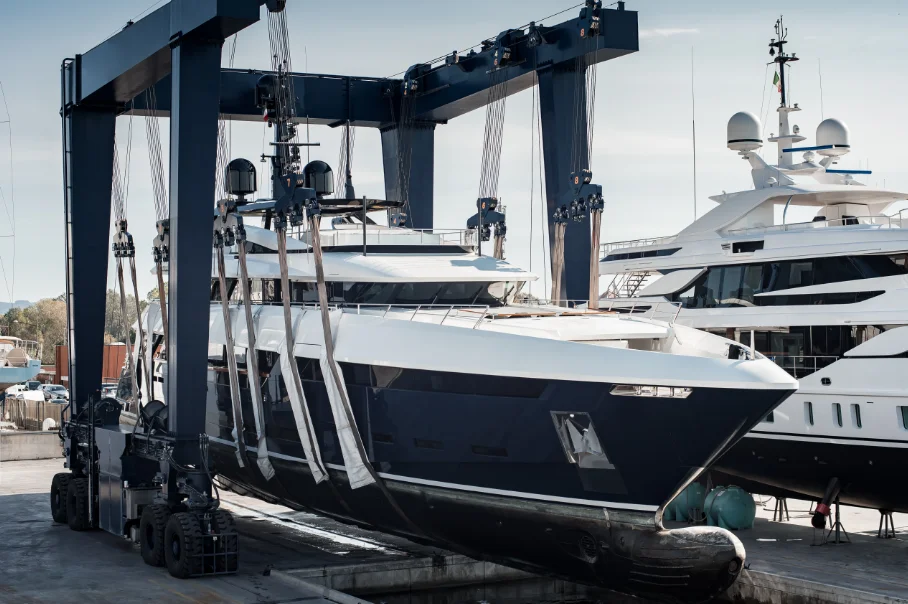
Owning a boat is an incredible experience, offering opportunities to explore waterways, relax, and make lasting memories. However, boat ownership comes with responsibilities, and one of the biggest is figuring out the best storage option. Proper storage not only keeps your boat in good condition but also ensures it’s ready to go when you need it. Whether you’re preparing for the offseason or need a solution for the times you’re not on the water, there are several storage options to consider. In this guide, we’ll explore all the boat storage options in detail, helping you choose the best solution for your boat and lifestyle. What Is Boat Storage? Boat storage refers to the methods and facilities used to keep boats safe and secure when they’re not in use. Just like cars have garages or parking lots, boats require proper storage to protect them from weather, pests, theft, and general wear and tear. Whether it’s for a few days, months, or an entire offseason, having a reliable storage solution ensures your boat stays in good condition and is ready whenever you want to hit the water. Why Is Proper Boat Storage Important? Boats are significant investments, and storing them improperly can lead to costly damage. Here are some reasons why boat storage is so important: Types of Boat Storage Available Boat owners have a variety of storage options to choose from based on their budget, convenience, and level of protection required. Below are the main types of boat storage available – 1. Outdoor Boat Storage Outdoor storage is one of the most common options for boat owners. It’s budget-friendly and accessible, making it a go-to solution for many. However, outdoor storage requires extra precautions to protect your boat from the elements. Types of Outdoor Storage Pros of Outdoor Storage Cons of Outdoor Storage Pro Tip: Always use a durable boat cover to shield your boat from rain, sun, and debris when storing it outdoors. Look for covers that are water-resistant and UV-protected. 2. Indoor Boat Storage Indoor storage provides the highest level of protection for your boat. It’s especially popular during the offseason when your boat isn’t in use for an extended period. While it’s more expensive than outdoor storage, the benefits of indoor storage often outweigh the costs. Types of Indoor Storage Pros of Indoor Storage Cons of Indoor Storage 3. On-Water Storage For those who use their boats frequently, on-water storage is the most convenient option. This type of storage allows you to keep your boat in the water, ready to go at a moment’s notice. However, it requires regular maintenance and comes with unique challenges. Types of On-Water Storage Pros of On-Water Storage Cons of On-Water Storage Pro Tip: Use a hull cleaning service regularly to prevent algae and barnacle buildup when storing your boat on the water. 4. Trailer Storage If your boat is trailerable, storing it on its trailer can be a flexible and cost-effective solution. Trailers make it easy to transport your boat and allow you to store it in various locations. Where to Store a Trailered Boat Pros of Trailer Storage Cons of Trailer Storage 5. Professional Boat Storage Facilities Professional storage facilities are designed specifically for boats and cater to all sizes and types. These facilities often offer added services like cleaning, maintenance, and winterization, making them a one-stop shop for boat owners. Types of Professional Storage Pros of Professional Storage Cons of Professional Storage What to Consider When Choosing a Boat Storage Option When deciding on the best storage solution for your boat, keep the following factors in mind: FAQs 1. Why is proper boat storage important? Proper boat storage protects your boat from damage caused by weather, pests, and moisture. It also helps maintain the boat’s value, functionality, and longevity, ensuring it’s always ready for use. 2. What are the most common types of boat storage? The most common types include: 3. How much does boat storage cost? Costs vary depending on the type of storage: Costs depend on factors like location, size of the boat, and additional services provided. 4. How do I prepare my boat for storage? To prepare your boat for storage: 5. Can I store my boat outside all year round? Yes, but outdoor storage requires additional precautions. You’ll need a durable, weatherproof cover to protect the boat from rain, sun, snow, and debris. In areas with harsh winters, winterizing your boat is essential to prevent freezing damage. 6. What is dry stack storage, and is it a good option? Dry stack storage involves storing boats in a warehouse on racks, stacked vertically. It’s a great option for smaller to mid-sized boats, offering excellent protection from weather and theft. However, it can be pricier and may require scheduling access to your boat. 7. What’s the best storage option for a large boat? Large boats are best stored in: 8. How do I choose the right storage option for my boat? Consider these factors: 9. Can I store my boat on its trailer? Yes, storing your boat on its trailer is a flexible and cost-effective solution. You can park it in your driveway, garage, or a storage facility. Just make sure the trailer is in good condition and the boat is properly covered. 10. What is winterization, and do I need it? Winterization involves preparing your boat for cold weather by draining water systems, stabilizing fuel, and protecting the engine. It’s essential if you’re storing your boat in areas with freezing temperatures to prevent damage. 11. Are there any neighborhood restrictions for boat storage? Some neighborhoods or homeowners’ associations (HOAs) have rules about parking boats in driveways or yards. Check your local regulations or HOA guidelines before storing your boat at home. 12. How do I prevent theft or vandalism in storage? To improve security: 13. Is climate-controlled storage necessary? Climate-controlled storage is ideal for protecting your boat from extreme temperatures and humidity, which can damage electronics, upholstery, and wood. It’s highly recommended for long-term or offseason
Inboard vs Outboard Motor: Which One Is Right for You?
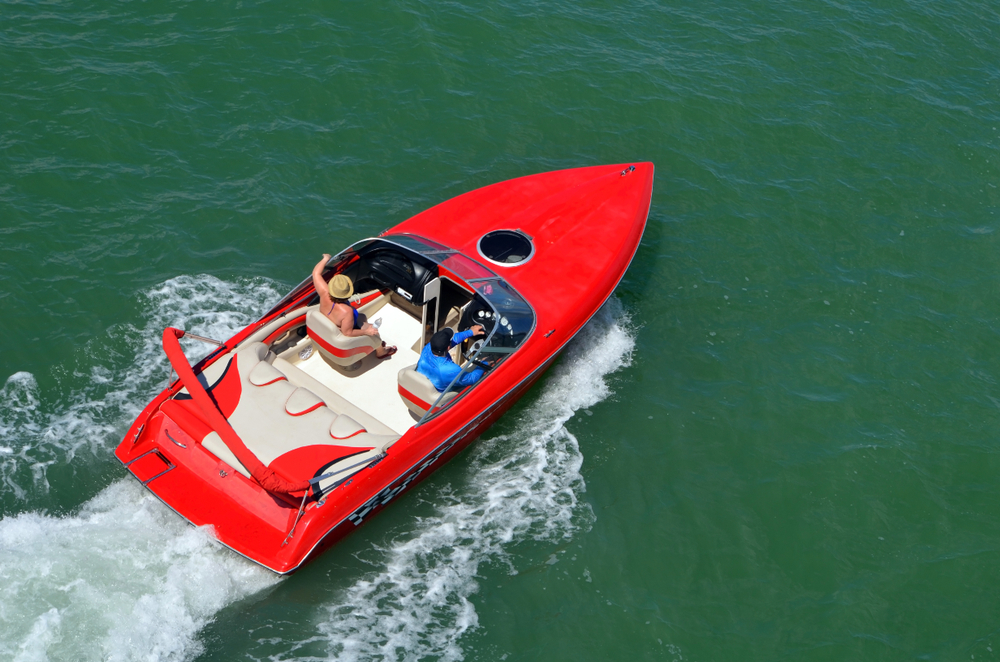
Compare inboard vs outboard motors to find the best fit for your boat. Learn about performance, maintenance, and cost to make the right choice.
Step-by-Step Guide to Docking Your Boat
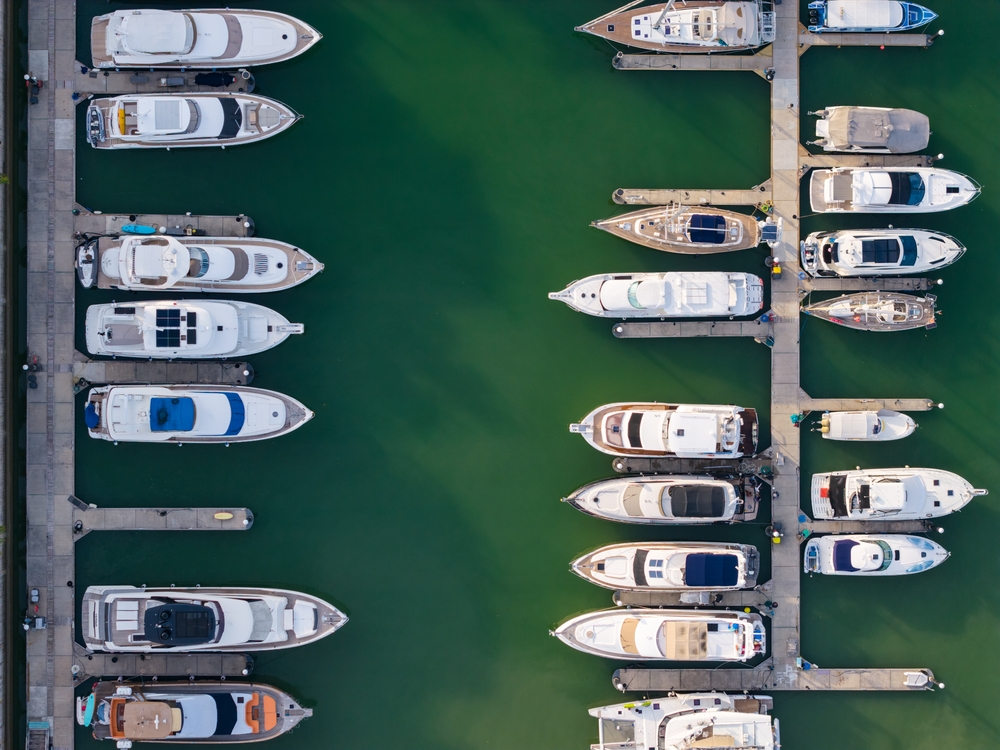
Discover our easy guide to docking your boat. Learn simple steps and expert tips for stress-free docking in any condition.