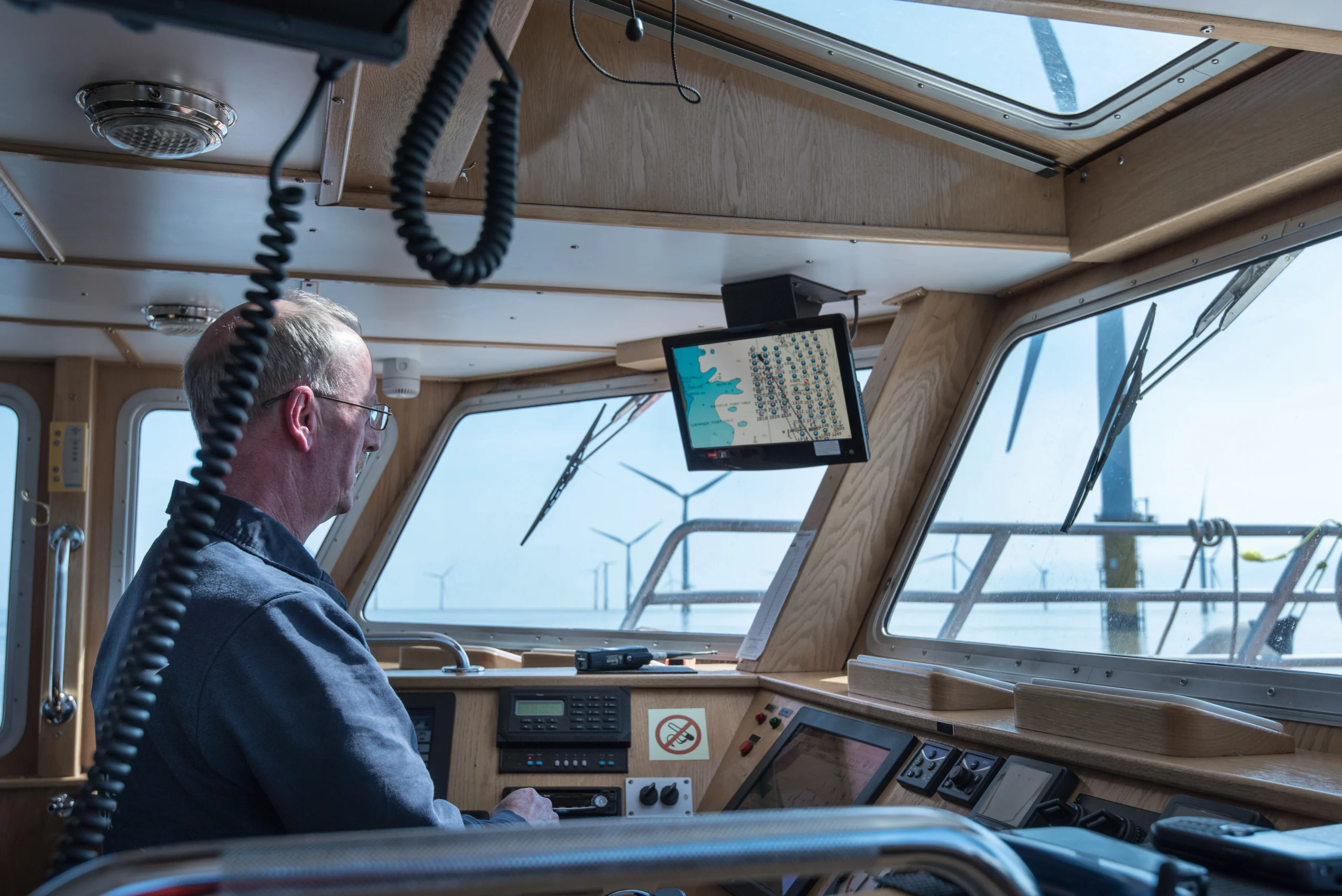
Boat electronics have changed the way people navigate, fish, communicate, monitor their boats, and stay safe on the water. What was once limited to a compass and basic radio can now include GPS navigation, chartplotters, fish finders, radar, autopilots, depth sounders, digital switching, satellite communication, and integrated monitoring systems.
With so many options available, choosing the right equipment can feel confusing. Some electronics perform one specific job, while others combine several functions in one display.
This guide explains the main types of boat electronics, what they do, how they work together, and what to consider when setting up or upgrading a boat.
What Are Boat Electronics?
Boat electronics are electrical and electronic devices designed to help operate, navigate, monitor, communicate from, or enjoy a boat.
Some equipment is primarily used for safety. Other devices make navigation easier, help locate fish, improve comfort, or provide information about the boat itself.
Common boat electronics include:
- GPS and chartplotters
- Fish finders
- Depth sounders
- Marine radar
- VHF radios
- Autopilots
- Marine antennas
- AIS systems
- Sonar
- Digital switching systems
- Engine monitoring displays
- Marine stereo systems
- Satellite communication equipment
- Battery monitors
- Cameras
- Weather instruments
Not every boat needs every type of equipment. A small inland fishing boat may only need a GPS, depth finder, and VHF radio, while a larger offshore vessel may use an integrated navigation system with radar, AIS, autopilot, multiple displays, and satellite communications.
Why Are Boat Electronics Important?
The main purpose of boat electronics is to give the operator useful information and greater control.
Navigation equipment can show your position and help you follow a route. Depth equipment can show the water beneath the boat. Radar can help identify vessels, land, and other objects, including when visibility is poor.
Communication equipment provides a way to contact other boats, marinas, bridges, or emergency services.
Fishing electronics can provide information about depth, bottom structure, and fish activity.
The right combination depends on how and where you use the boat.
Main Types of Boat Electronics
The easiest way to understand marine electronics is to look at each system separately.
GPS and Chartplotters
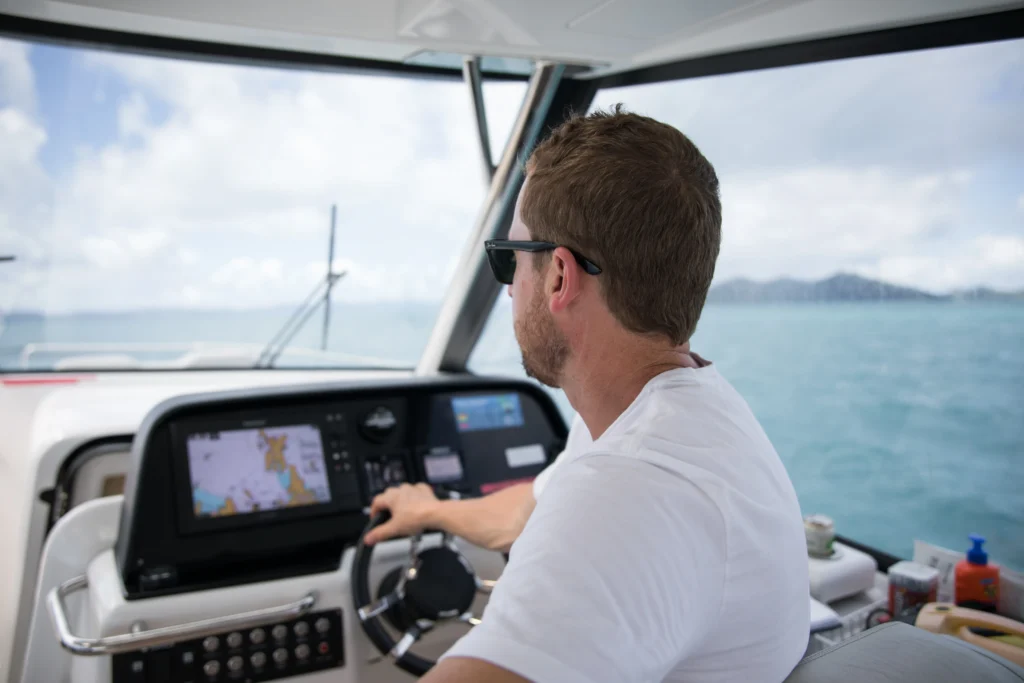
A GPS receiver determines the boat’s location using signals from navigation satellites.
A chartplotter combines positioning information with electronic nautical charts. It can show your location, heading, planned routes, waypoints, and other navigation information.
Modern multifunction displays often combine GPS, charts, sonar, radar, engine information, and other data on one screen.
GPS is extremely useful, but it should not be treated as a replacement for basic navigation skills. Electronic equipment can lose power, experience a technical problem, or provide information that needs to be interpreted correctly.
Keeping a paper chart, compass, and basic navigation knowledge available can provide an important backup.
What Is a Fish Finder?
A fish finder uses sonar technology to send sound waves into the water and interpret the returning signals.
The display can provide information about:
- Water depth
- Bottom shape
- Bottom hardness
- Underwater structure
- Fish targets
- Vegetation
- Temperature, depending on the equipment
Fish finders are especially useful for anglers because they can help identify areas where fish may be holding.
The quality of the information depends on factors such as transducer type, installation, water conditions, boat speed, frequency, and display settings.
What Is a Depth Finder?
A depth finder is designed primarily to show the depth of water beneath the boat.
Many modern fish finders already include depth information, so a separate depth-only device may not be necessary.
Knowing the water depth can help with navigation, anchoring, fishing, and avoiding shallow areas.
Depth information should always be interpreted with the chart, tides, local conditions, and the boat’s draft in mind.
What Is a Marine Radar?
Marine radar uses radio waves to detect objects around a boat.
Depending on the system and conditions, radar can help identify:
- Other vessels
- Shorelines
- Buoys
- Bridges
- Large floating objects
- Weather-related targets
Radar is particularly useful at night, in fog, rain, or other situations where visibility is limited.
Learning to use radar properly takes practice. It is not simply a matter of turning it on and watching the screen. Range settings, gain, sea clutter, rain clutter, target interpretation, and other controls affect what appears on the display.
What Is a VHF Marine Radio?
A VHF marine radio is one of the most important communication devices on many boats.
It can be used to communicate with other vessels, marinas, ports, bridges, and emergency services where applicable.
A fixed-mount VHF generally has more capability than a small handheld unit, although handheld radios are valuable as portable or backup equipment.
Some modern marine radios include additional features such as Digital Selective Calling, GPS integration, and Automatic Identification System functionality.
Before operating a marine radio, boaters should understand the radio rules that apply in their location.
What Is AIS?
AIS stands for Automatic Identification System.
AIS can transmit and receive information about equipped vessels. Depending on the system and vessel, information may include the vessel’s name, position, course, speed, and other identifying details.
AIS can help boaters understand nearby traffic and identify potential collision situations.
However, AIS should not be treated as a complete replacement for visual observation or radar. Not every vessel is required to carry AIS, and not every vessel that has AIS will necessarily appear in the same way on your equipment.
What Is an Autopilot?
A marine autopilot helps maintain a selected heading or follow a planned course.
Instead of continuously steering manually, the autopilot makes adjustments to the steering system to keep the boat on the desired path.
Autopilot systems are available for different types and sizes of boats.
On longer trips, an autopilot can reduce the amount of continuous steering required. However, it should never be treated as an excuse to stop monitoring the water.
The operator remains responsible for navigation and avoiding hazards.
What Is a Marine Compass?
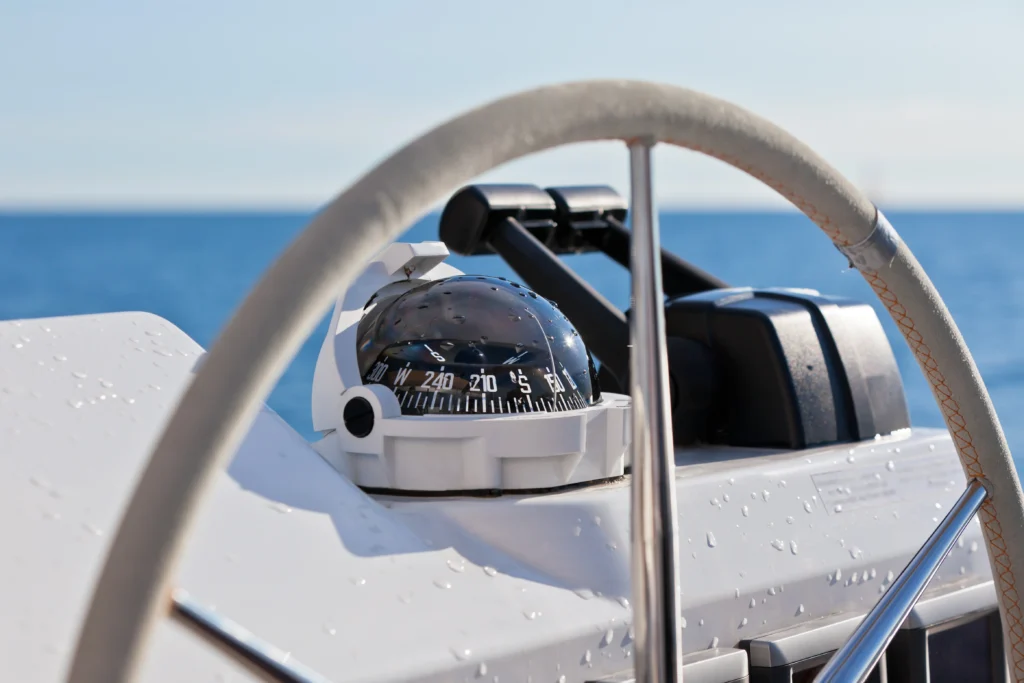
A magnetic compass does not depend on the boat’s electrical system.
That makes it a valuable backup even when a boat has sophisticated electronics.
Electronic heading sensors are also available and can provide heading information to chartplotters, autopilots, radar systems, and other equipment.
Having a reliable backup means that a power or electronics failure does not leave the operator completely dependent on digital navigation.
What Are Marine Antennas?
Antennas are essential because many marine communication and navigation systems depend on them.
Different equipment uses different types of antennas.
VHF radios use marine VHF antennas. GPS equipment typically uses GPS antennas, either built into the device or connected separately. Radar systems use their own transmitting and receiving antenna assemblies.
A poorly installed antenna can reduce the performance of otherwise good electronics.
Antenna location, height, cable quality, connectors, grounding, and interference can all affect performance.
What Is NMEA 2000?
NMEA 2000 is a marine networking standard that allows compatible equipment to share information.
For example, a GPS can provide position information to a chartplotter, while engine systems can send data to a multifunction display.
A properly designed network can reduce the number of separate connections and make it easier for different systems to communicate.
NMEA 2000 is different from simply connecting two devices with a basic cable. A network needs appropriate power, termination, connectors, and compatible equipment.
What Is NMEA 0183?
NMEA 0183 is an older marine communication standard.
It allows electronic devices to exchange specific data, such as GPS position, heading, and other information.
Many newer systems use NMEA 2000, Ethernet-based networks, or manufacturer-specific networking technologies, but NMEA 0183 can still be found on existing boats and equipment.
When upgrading older electronics, compatibility is something to check before purchasing new equipment.
What Is a Multifunction Display?
A multifunction display, often called an MFD, combines information from several marine systems on one screen.
Depending on the model and connected equipment, an MFD may display:
- GPS position
- Electronic charts
- Radar
- Sonar
- Fish finder data
- AIS targets
- Engine information
- Autopilot controls
- Weather information
- Camera feeds
This can reduce the need for multiple separate screens.
The advantage is convenience, but an MFD can also become a central point of failure. If everything depends on one display, losing that display may mean losing access to several functions at once.
Boat Electronics Power Systems
Marine electronics require a reliable electrical supply.
Common components of a boat’s electrical system include:
- Starting batteries
- House batteries
- Battery switches
- Circuit breakers
- Fuses
- Wiring
- Chargers
- Alternators
- Shore power systems
- Solar charging systems
Electronics should be connected according to the equipment manufacturer’s requirements and appropriate marine electrical practices.
Using the wrong wire size, poor connections, or inadequate circuit protection can cause voltage problems and create safety hazards.
How Much Power Do Boat Electronics Use?
Power consumption varies significantly.
A small GPS display may use relatively little power, while radar, large multifunction displays, sonar systems, audio equipment, and other devices can draw considerably more.
A boat with several electronics running at the same time can place a substantial load on the house battery system.
When planning an electronics upgrade, look at the current draw of every device and consider how long you expect to operate them without running the engine or another charging source.
Marine Wiring and Connections
Marine environments are hard on electrical connections.
Saltwater, humidity, vibration, heat, and temperature changes can contribute to corrosion and connection problems.
Marine-grade wiring and properly sealed connections are important.
Cable runs should be supported and protected from chafing. Connections exposed to water should receive appropriate protection.
A neat installation is not just about appearance. Organized wiring makes troubleshooting and future upgrades much easier.
Choosing Electronics for a Fishing Boat
Fishing electronics often focus on finding fish and understanding underwater structure.
A fishing setup may include:
- GPS chartplotter
- Fish finder
- Down-looking sonar
- Side-imaging sonar
- Forward-looking sonar
- Water-temperature sensors
- Trolling motor integration
- Marine VHF
The right combination depends on the species, water depth, fishing style, and type of boat.
A small freshwater fishing boat does not necessarily need the same electronics as an offshore sport-fishing boat.
Choosing Electronics for Offshore Boating
Offshore boating places greater emphasis on navigation, communication, weather awareness, and redundancy.
An offshore setup may include:
- Multiple chartplotters
- Radar
- VHF radio
- AIS
- Autopilot
- Depth sounder
- GPS
- Satellite communications
- Weather information
- Engine monitoring
- Emergency position equipment
Longer trips also make power management and backup equipment more important.
Boat Electronics for Navigation
Navigation electronics can make route planning much easier.
A chartplotter can allow you to create waypoints and routes before leaving the dock. During the trip, the system can display your position and planned course.
However, electronic charts are only useful when the operator understands what the symbols and information mean.
Charts also need to be kept updated where appropriate, particularly when navigating areas where hazards, channels, or other information may change.
Weather Electronics
Weather can change quickly on the water.
Depending on the boat and location, weather information may come through marine radio, connected devices, satellite services, radar, or other systems.
Some boat radar systems can help identify precipitation, but radar should not be treated as a complete weather forecasting system.
A good boating practice is to check the forecast before leaving and continue monitoring conditions while underway.
Marine Audio Systems
Not every boat electronic system is about navigation or safety.
Marine stereos are designed to handle the conditions found on boats, including moisture and vibration.
Marine audio systems can include:
- Head units
- Marine speakers
- Amplifiers
- Subwoofers
- Bluetooth connectivity
- Streaming capabilities
Audio equipment still draws electrical power, so larger systems should be considered when calculating the boat’s overall electrical load.
Cameras and Monitoring Systems
Cameras can provide additional visibility around a boat.
They may be used to monitor:
- Engine compartments
- Stern areas
- Decks
- Blind spots
- Boarding areas
- Machinery spaces
On larger boats, cameras can be integrated into multifunction displays.
They can be useful, but they should supplement rather than replace direct observation.
Digital Switching
Digital switching systems allow boaters to control electrical equipment through digital displays or dedicated controls.
Instead of relying only on conventional physical switches, a digital system can allow certain functions to be controlled and monitored electronically.
Depending on the system, users may be able to check the status of pumps, lights, batteries, and other equipment from a central display.
Digital switching can simplify control on larger boats, but it also adds another layer of electronics that needs to be properly designed and maintained.
Boat Electronics Installation
Installation is just as important as choosing the equipment.
Before installing anything, consider:
Location: The screen should be visible and accessible without obstructing controls or visibility.
Water exposure: Equipment should be installed according to its rated environment.
Power: Make sure the electrical system can safely support the equipment.
Networking: Determine which devices need to communicate with each other.
Cable routing: Plan cable runs before mounting equipment.
Service access: Leave enough room to replace equipment or reach connections later.
Ventilation: Some electronics generate heat and need adequate airflow.
A poorly planned installation can make even high-quality electronics frustrating to use.
Waterproof vs. Water-Resistant Electronics
Marine electronics are designed for use around water, but that does not mean every device can be submerged.
Manufacturers normally provide an ingress protection or environmental rating.
Before installing equipment in an exposed location, check its specific rating and installation requirements.
Protecting connectors and cable entries is also important because water can enter through places that appear secure.
How to Maintain Boat Electronics
Regular maintenance can help prevent problems.
Inspect cables and connections for signs of corrosion, damage, or looseness. Keep screens clean using the manufacturer’s recommended method.
Check antenna connections and inspect equipment mounts.
If the boat is stored for an extended period, follow the manufacturer’s recommendations for removing, covering, or protecting equipment.
Avoid using harsh cleaning chemicals on electronic displays.
Common Boat Electronics Problems
Some problems are relatively simple to identify.
Display Will Not Turn On
Possible causes include a dead battery, blown fuse, tripped breaker, loose connection, or insufficient voltage.
GPS Is Not Getting a Position
The antenna may have a poor view of the sky, a connection issue, or another technical problem.
Fish Finder Shows Poor Images
The issue may relate to transducer installation, interference, water conditions, speed, frequency, or display settings.
VHF Radio Has Poor Range
Antenna height, cable condition, connectors, transmission power, and antenna installation can all affect performance.
Electronics Keep Rebooting
Voltage drops are one possible cause. Multiple devices drawing power at the same time can expose weaknesses in the boat’s electrical system.
Troubleshooting should begin with the basics before assuming that expensive equipment has failed.
How Much Should You Spend on Boat Electronics?
There is no universal budget.
A basic setup can provide the essential navigation and communication functions without requiring a large investment.
A more advanced system with multiple displays, radar, sonar, autopilot, AIS, networking, and satellite communication can cost considerably more.
The best approach is to prioritize equipment based on how you actually use the boat.
For many boaters, safety and navigation equipment should come before entertainment features.
Do You Need All These Electronics?
No.
A common mistake is buying equipment simply because it is available.
A better approach is to ask:
- Where do I normally boat?
- How far offshore do I travel?
- What species do I fish for?
- Do I boat at night?
- Do I travel in poor visibility?
- How many people use the boat?
- What safety equipment do I already have?
- What systems need to communicate?
- How much electrical capacity does the boat have?
A small inland fishing boat and a large offshore cruiser have very different requirements.
Building a Boat Electronics System
If you are starting from scratch, build the system around your most important needs.
A simple recreational setup might include: GPS/chartplotter + VHF radio + depth finder
A fishing-focused setup might add: Fish finder + advanced sonar + trolling motor integration
An offshore setup could expand further: GPS/chartplotter + radar + VHF + AIS + autopilot + sonar + additional navigation and communication equipment
The advantage of building gradually is that you can learn each system before adding another.
Boat Electronics and Redundancy
Redundancy means having a backup when an important system fails.
For example, if your primary chartplotter stops working, a separate GPS, smartphone with appropriate navigation resources, paper chart, or compass may provide backup information.
If the fixed VHF stops working, a charged handheld VHF can provide another communication option.
The appropriate backups depend on the type of boating you do.
The farther you travel from shore and the more demanding the conditions, the more important redundancy becomes.
FAQs About Boat Electronics
Can boat electronics work without an internet connection?
Yes. Many essential systems, including GPS, depth sounders, radar, and VHF radios, can operate without an internet connection.
How often should boat electronics be updated?
It depends on the equipment. Chart data, software, and firmware may need periodic updates, while some hardware can remain in service for many years.
Can I use a regular car stereo on a boat?
It is generally better to use marine-rated audio equipment because it is designed to handle moisture, vibration, and marine conditions.
Should boat electronics be turned off when the boat is not being used?
Yes, unless a system is designed to remain active. Turning off unnecessary equipment helps reduce battery drain during storage.
Can lightning damage boat electronics?
Yes. Lightning and electrical surges can damage sensitive marine electronics. Proper installation and electrical protection can help reduce the risk.
Can I install boat electronics myself?
Some basic installations can be handled by experienced boat owners. Complex networking, radar, autopilot, and electrical work may be better handled by a qualified marine technician.
Why do marine electronics use different connectors?
Different connectors serve different power, networking, data, and environmental requirements. Always check compatibility before connecting equipment.
Can saltwater damage boat electronics?
Yes. Saltwater and salty air can cause corrosion around connectors, terminals, and exposed wiring. Regular inspection and protection are important.
How long do boat electronics usually last?
There is no fixed lifespan. Service life depends on the equipment, installation, exposure, usage, maintenance, and technological changes.
Can different brands of boat electronics work together?
Sometimes. Compatibility depends on the communication standards and connections supported by each device. Check manufacturer compatibility information before combining brands.
Conclusion
Boat electronics can make navigation, communication, fishing, monitoring, and everyday boating much easier. From a basic GPS and VHF radio to a fully integrated system with radar, sonar, AIS, autopilot, digital switching, and multiple displays, there are options for almost every type of boat.
The key is not to install as many electronics as possible. It is to choose equipment that solves real problems for the way you use your boat.
Start with the essentials. Make sure the electrical system can support the equipment, use appropriate marine wiring and connections, and plan how the different systems will communicate before installation.
Most importantly, remember that electronics are tools rather than substitutes for good seamanship. A chartplotter can show your position, radar can help identify targets, and a VHF can provide communication, but the person operating the boat still needs to understand the surroundings, weather, navigation, and applicable boating rules.
A well-planned electronics setup should make boating easier and safer without making you completely dependent on a single device.