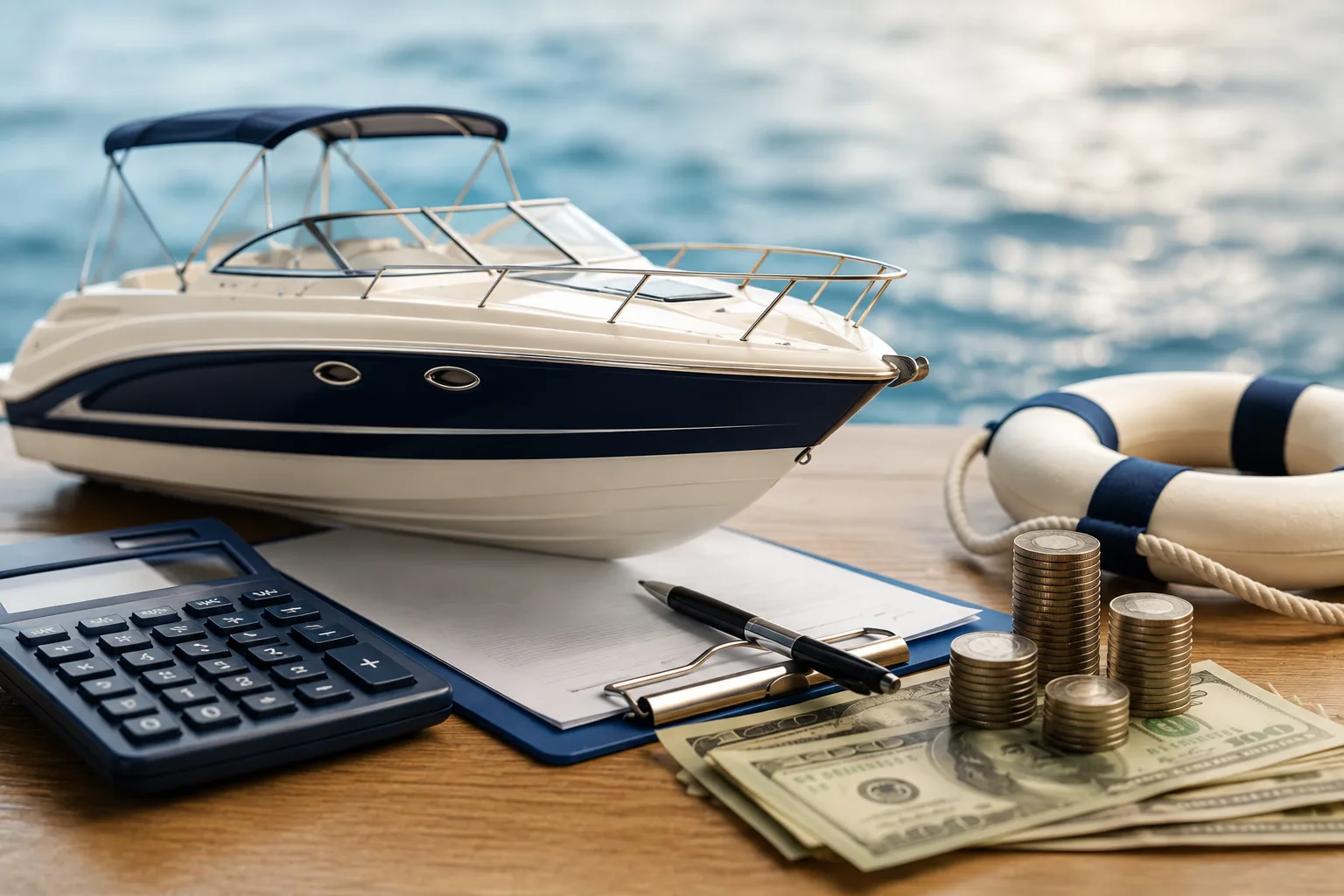
Buying a used boat can be a great way to get more for your money, but a careful inspection is essential before you commit. A boat may look clean on the surface while having problems with the engine, hull, electrical system, or other expensive components.
Use this used boat inspection checklist to evaluate the boat before buying and identify issues that may require repairs or affect its value.
Key Takeaways
- Inspect the hull, transom, and deck carefully for cracks, soft spots, water damage, and previous repairs.
- Pay close attention to the engine because major engine repairs can be expensive.
- Test electrical, steering, bilge, fuel, and safety systems rather than relying on visual inspection alone.
- Always take the boat for a sea trial when possible to evaluate its real-world performance.
- Review maintenance records and consider a professional marine survey before finalizing the purchase.
1. Check the Boat’s Overall Condition
Start with a general walk-around of the boat. Look at its age, appearance, cleanliness, and maintenance.
Check for:
- Signs of poor maintenance
- Cracks, dents, or damaged surfaces
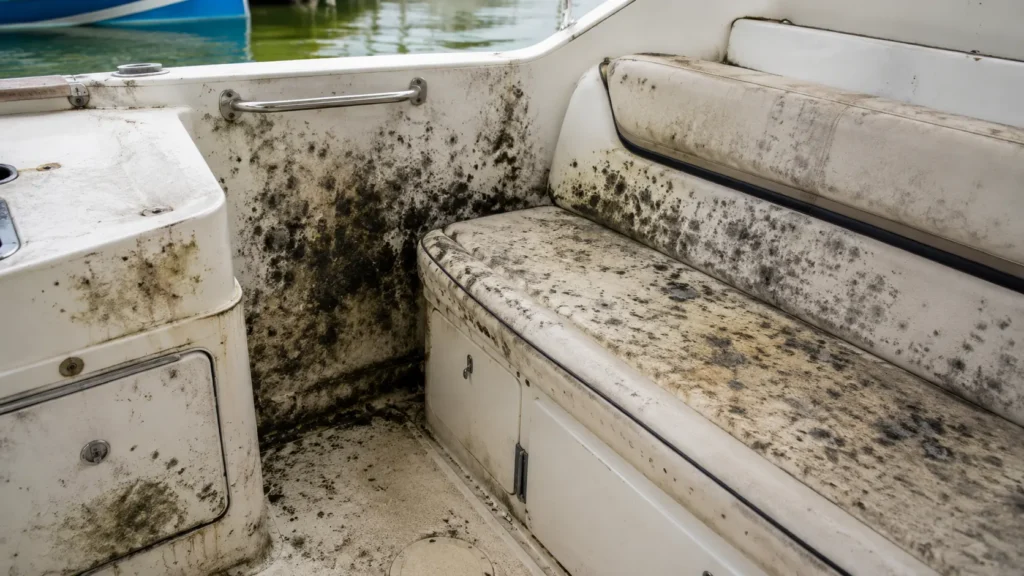
- Water stains or signs of leaks
- Mold or excessive mildew
- Damaged upholstery
- Loose or missing hardware
- Corrosion on metal components
- Unusual odors
A clean boat does not necessarily mean it is mechanically sound, so don’t rely on appearance alone.
2. Inspect the Hull
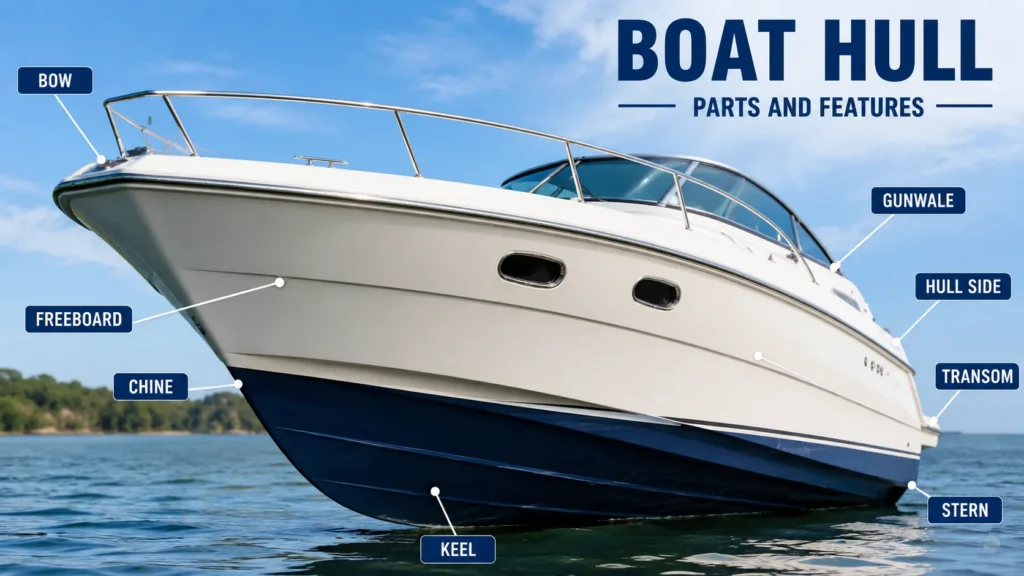
The hull is one of the most important areas to inspect because structural repairs can be expensive.
Look for:
- Cracks or deep scratches
- Blisters on fiberglass
- Soft spots
- Repairs or patches
- Uneven surfaces
- Signs of impact damage
- Water intrusion
For fiberglass boats, pay close attention to the bottom and areas around fittings, through-hull openings, and the transom.
If the boat is on a trailer, inspect as much of the hull as possible before purchase.
3. Check the Transom
The transom supports the outboard or stern drive and should be checked carefully.
Look for cracks around the engine mounting area and signs that water has entered the structure.
You can also check for unusual flexing when pressure is applied to the transom. A soft or weakened transom can indicate serious structural problems.
For boats with an outboard motor, inspect the area where the motor is attached particularly closely.
4. Inspect the Deck
Walk across the entire deck and pay attention to how it feels under your feet.
A solid deck should feel firm and stable. Soft, spongy, or unusually flexible areas may indicate water damage or rot underneath.
Check around:
- Cleats
- Seats
- Railings
- Hatches
- Windshield mounts
- Fishing equipment
- Other bolted fittings
Look for water stains, cracks, loose hardware, and poorly sealed holes.
5. Examine the Engine
The engine is often the most expensive component on a used boat, so it deserves special attention.
Ask the owner about:
- Engine age
- Total operating hours
- Maintenance history
- Major repairs
- Winterization, where applicable
- Recent engine work
- Previous overheating problems
Inspect the engine for oil leaks, corrosion, damaged wiring, loose components, and excessive rust.
Ask to see the engine start from cold. A seller who warms up the engine before you arrive may make it harder to identify certain starting or running problems.
Ideally, have a qualified marine mechanic inspect the engine before buying.
6. Check the Engine Fluids
Inspect the available fluids and their condition.
Depending on the engine, check:
- Engine oil
- Coolant
- Transmission or gear oil
- Hydraulic fluid
- Fuel system components
Oil should not contain obvious signs of water contamination. Milky or unusually discolored fluids can indicate potential problems.
Do not judge engine condition from fluid appearance alone. A professional inspection is still recommended.
7. Inspect the Fuel System
Fuel-system problems can create both performance and safety issues.
Check the:
- Fuel tank
- Fuel lines
- Fuel connections
- Fuel filters
- Tank fittings
- Vent lines
Look for leaks, cracks, corrosion, deteriorated hoses, or strong fuel odors.
If the boat has an older fuel system, ask whether any components have been replaced.
8. Test the Electrical System
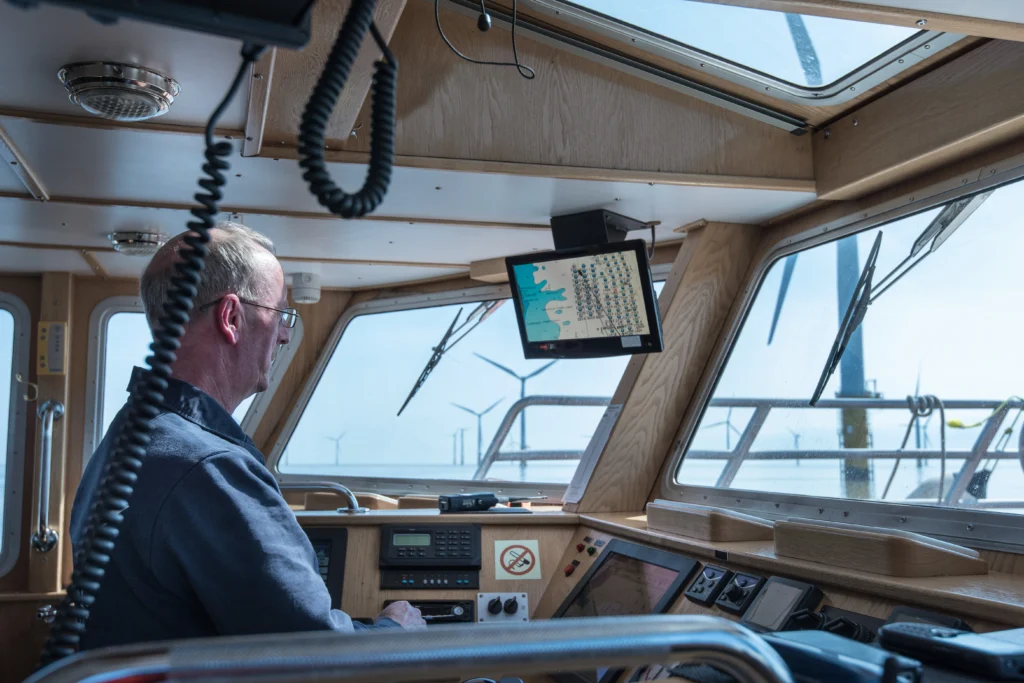
Turn on the boat’s electrical equipment and make sure it works.
Test:
- Navigation lights
- Bilge pump
- Horn
- Battery switches
- Cabin lights
- Dashboard instruments
- Radio
- Pumps
- Electronics
- Wipers, if equipped
Inspect the battery terminals and wiring for corrosion, loose connections, damaged insulation, or amateur repairs.
Electrical problems can be difficult to diagnose later, so identify them before negotiating the price.
9. Inspect the Propeller and Drive
For an outboard or sterndrive boat, inspect the lower unit and propeller.
Look for:
- Bent or damaged propeller blades
- Dents
- Cracks
- Fishing line around the shaft
- Corrosion
- Oil leakage
- Damage to the lower unit
A damaged propeller may be relatively easy to replace, but damage to the lower unit can be considerably more expensive.
Check that the steering and gear controls operate smoothly.
10. Check the Bilge
Open the bilge and look for standing water, oil, dirt, corrosion, and signs of leaks.
A small amount of water may be normal depending on the boat, but unexplained or excessive water deserves investigation.
Test the bilge pump to make sure it activates properly.
Also inspect the bilge hoses, clamps, wiring, and fittings for deterioration.
11. Inspect Through-Hull Fittings
Through-hull fittings and seacocks are important parts of the boat’s water-management system.
Check them for:
- Corrosion
- Cracks
- Leaks
- Loose fittings
- Damaged hoses
- Stiff or seized valves
Make sure accessible seacocks can be operated properly. Faulty fittings can allow water into the boat and should not be ignored.
12. Check the Steering System
Turn the steering from one side to the other and look for excessive stiffness, looseness, or unusual movement.
Depending on the boat, inspect the steering cable, hydraulic system, connections, and steering components.
The steering should respond smoothly without excessive play.
13. Inspect the Interior
Inside the boat, look for signs of water intrusion and neglect.
Check:
- Cabin walls
- Flooring
- Ceiling
- Storage compartments
- Seats
- Cushions
- Cabinets
- Doors
- Windows and hatches
Pay particular attention to water stains, damp materials, mold, soft flooring, and damaged wood.
A musty smell can also indicate a history of moisture problems.
14. Check Safety Equipment
Make sure the boat has appropriate safety equipment and check its condition.
Depending on the boat and location, this may include:
- Life jackets
- Fire extinguishers
- Flares or signaling devices
- First-aid equipment
- Emergency equipment
- Anchor and rode
- Navigation equipment
Check expiration dates where applicable and replace missing or outdated equipment.
15. Inspect the Trailer
If the boat comes with a trailer, inspect it separately.
Check the:
- Frame
- Tires
- Wheels
- Bearings
- Brakes
- Lights
- Winch
- Coupler
- Safety chains
- Rollers or bunks
Look for rust, cracks, uneven tire wear, and signs of poor maintenance.
A trailer in poor condition can add a significant repair or replacement cost to your purchase.
16. Take the Boat for a Sea Trial
Whenever possible, perform a sea trial before buying.
A sea trial allows you to see how the boat actually performs on the water.
Pay attention to:
- Starting performance
- Acceleration
- Engine noise
- Vibration
- Steering
- Gear shifting
- Water temperature
- Engine warning lights
- Electrical systems
- Handling at different speeds
Do not simply take a short ride around the marina. Give the boat enough time to reach normal operating conditions.
17. Check Maintenance Records
Ask the seller for maintenance and repair records.
Useful records may include:
- Engine servicing
- Oil changes
- Parts replacements
- Electrical repairs
- Hull repairs
- Winterization
- Storage history
- Previous inspections
Consistent maintenance records can provide a much better picture of how the boat has been treated.
18. Verify Ownership and Boat History
Before completing the purchase, verify the boat’s identification and ownership documents.
Check the:
- Hull Identification Number (HIN)
- Registration
- Title, where applicable
- Ownership documents
- Service records
- Equipment documentation
Make sure the identification numbers match the paperwork.
Also ask whether the boat has been involved in any accidents, major repairs, flooding, or insurance claims.
19. Get a Professional Boat Inspection
Even if you are comfortable inspecting boats yourself, a professional marine survey can be worthwhile, especially for an expensive purchase.
A marine surveyor can identify structural, mechanical, electrical, and safety-related issues that may not be obvious during a casual inspection.
A professional inspection can also help you make a more informed decision about the boat’s condition and value.
Used Boat Inspection Checklist: Quick Summary
Before buying, check:
- ☐ Overall condition
- ☐ Hull and fiberglass
- ☐ Transom
- ☐ Deck
- ☐ Engine
- ☐ Engine fluids
- ☐ Fuel system
- ☐ Electrical system
- ☐ Propeller and lower unit
- ☐ Bilge
- ☐ Through-hull fittings
- ☐ Steering system
- ☐ Interior
- ☐ Safety equipment
- ☐ Trailer
- ☐ Sea trial
- ☐ Maintenance records
- ☐ Ownership and boat history
- ☐ Professional marine survey
Used Boat Inspection FAQs
1. What should I check first when inspecting a used boat?
Start with the overall condition, then inspect the hull, transom, deck, engine, electrical system, fuel system, and interior.
2. How do I know if a used boat has hull damage?
Look for cracks, dents, deep scratches, blisters, patches, soft spots, and signs of previous repairs or impacts.
3. What should I look for when checking the boat’s engine?
Check for leaks, corrosion, damaged wiring, unusual noises, and signs of overheating. Also review the engine’s hours and maintenance history.
4. Should I test a used boat before buying it?
Yes. A sea trial can reveal problems with starting, acceleration, steering, shifting, vibration, handling, and engine performance.
5. How can I check if a boat has water damage?
Look for standing water, water stains, mold, damp areas, soft flooring, soft spots in the deck, and musty odors.
6. What electrical components should I test?
Test the navigation lights, bilge pump, horn, battery switches, gauges, radio, cabin lights, and other installed electronics.
7. Why should I inspect the boat’s transom?
The transom supports the outboard or stern drive. Cracks, softness, or excessive movement can indicate structural damage.
8. Should I inspect the trailer when buying a used boat?
Yes. Check the frame, tires, bearings, brakes, lights, winch, coupler, safety chains, and rollers or bunks.
9. Are maintenance records important when buying a used boat?
Yes. Service and repair records can show how regularly the boat was maintained and whether it has had major mechanical or structural problems.
10. Do I need a professional marine survey for a used boat?
A professional survey is recommended, particularly for larger or more expensive boats. A marine surveyor can identify problems that may not be obvious during a basic inspection.
Conclusion
A used boat should be evaluated as more than just a purchase price. The condition of the engine, hull, electrical system, trailer, and other components can significantly affect the boat’s real cost.
Take your time, inspect the boat carefully, review its records, and arrange a professional inspection when appropriate. Finding a problem before buying is almost always easier and cheaper than discovering it after the purchase.